Air conditioning for
hotels and guest houses
A guest judges a room's air conditioning at three in the morning. It has to be silent, it has to be simple, and it has to work in every room on the same night in July.
- Free survey and heat load calculation on jobs over 5,000 pounds
- Quote split into plant, install, electrics and out-of-hours
- Out of hours fitting where the business cannot close
Accredited, and fitting the brands you know










Air conditioning we have fitted
Our own jobs, photographed on site. Real rooms, real outdoor positions, nothing from a catalogue.
 Air conditioning
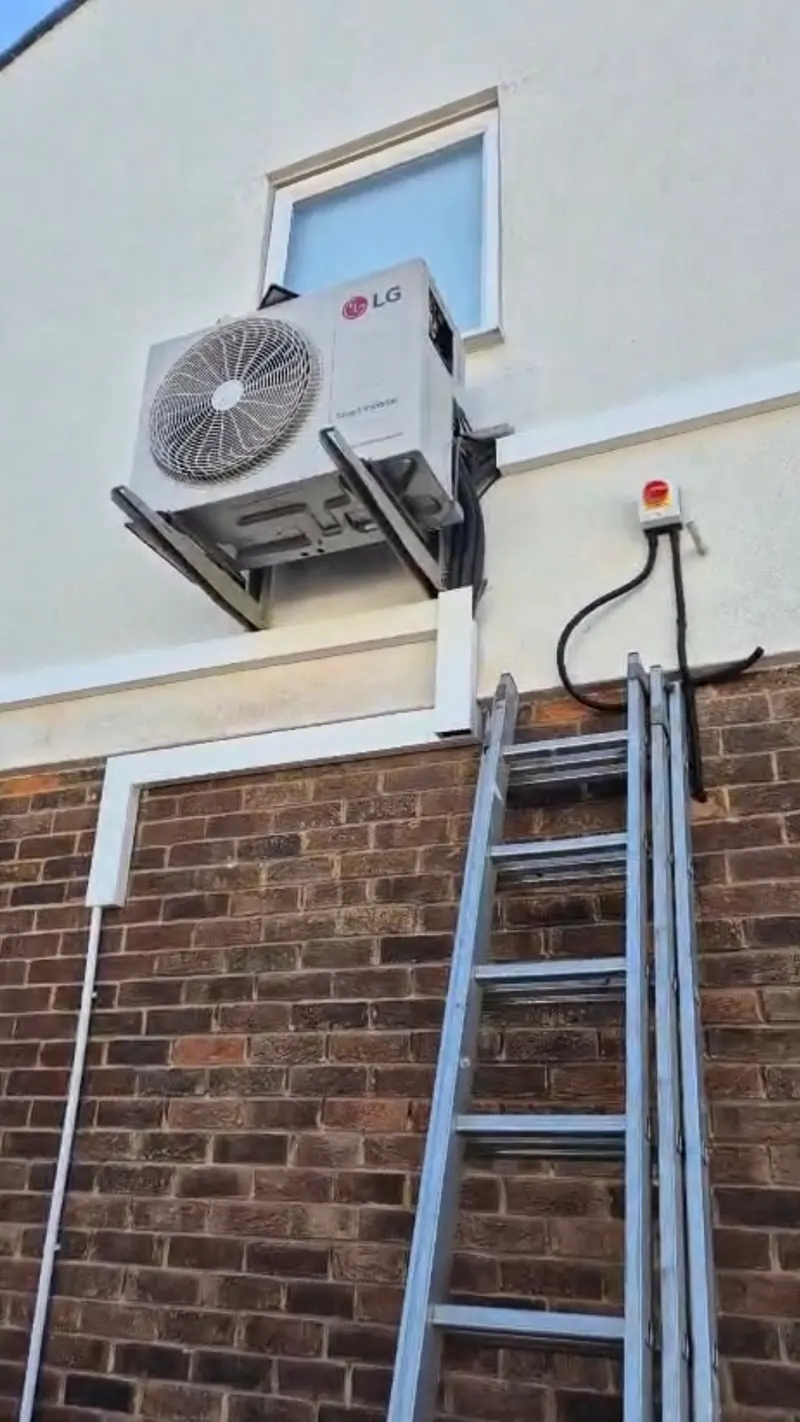
Outdoor unit on wall brackets
Above brick, isolator and cabling run tidy
Air conditioning
Outdoor unit on wall brackets
Above brick, isolator and cabling run tidy
 Air conditioning
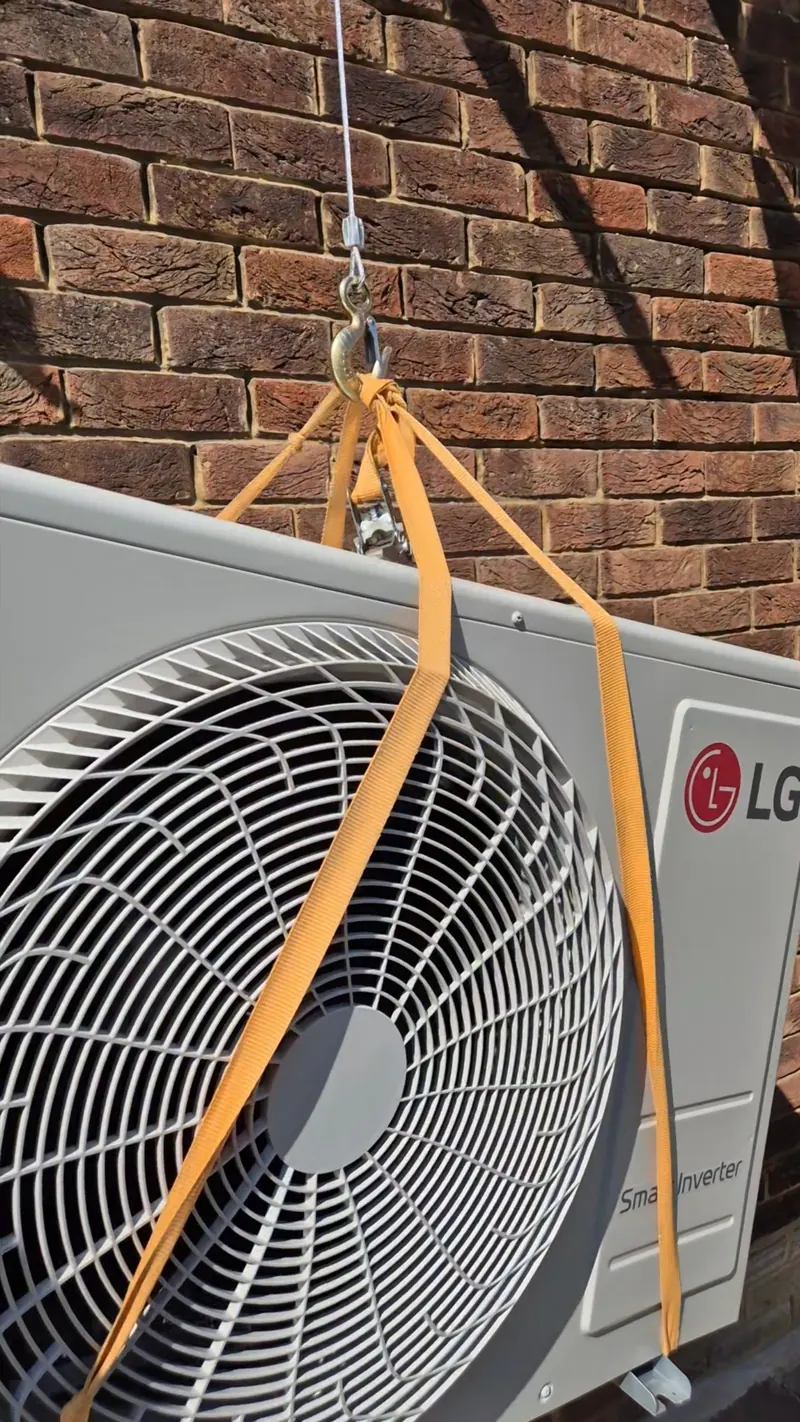
Condenser going up on straps
Lifted into a wall position, no scaffold
Air conditioning
Condenser going up on straps
Lifted into a wall position, no scaffold
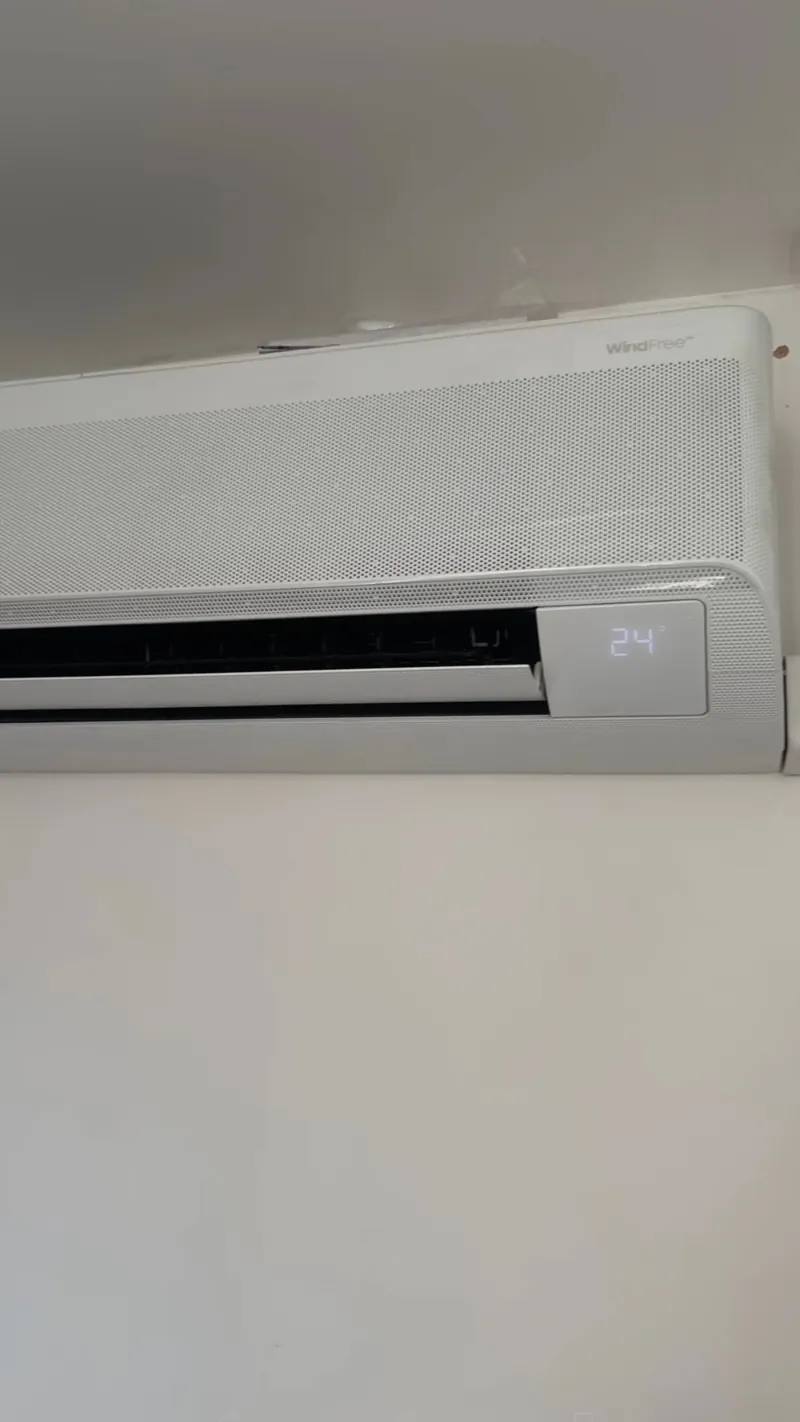 Air conditioning
Wall unit, commissioned
Set to 24 degrees and handed over
Air conditioning
Wall unit, commissioned
Set to 24 degrees and handed over
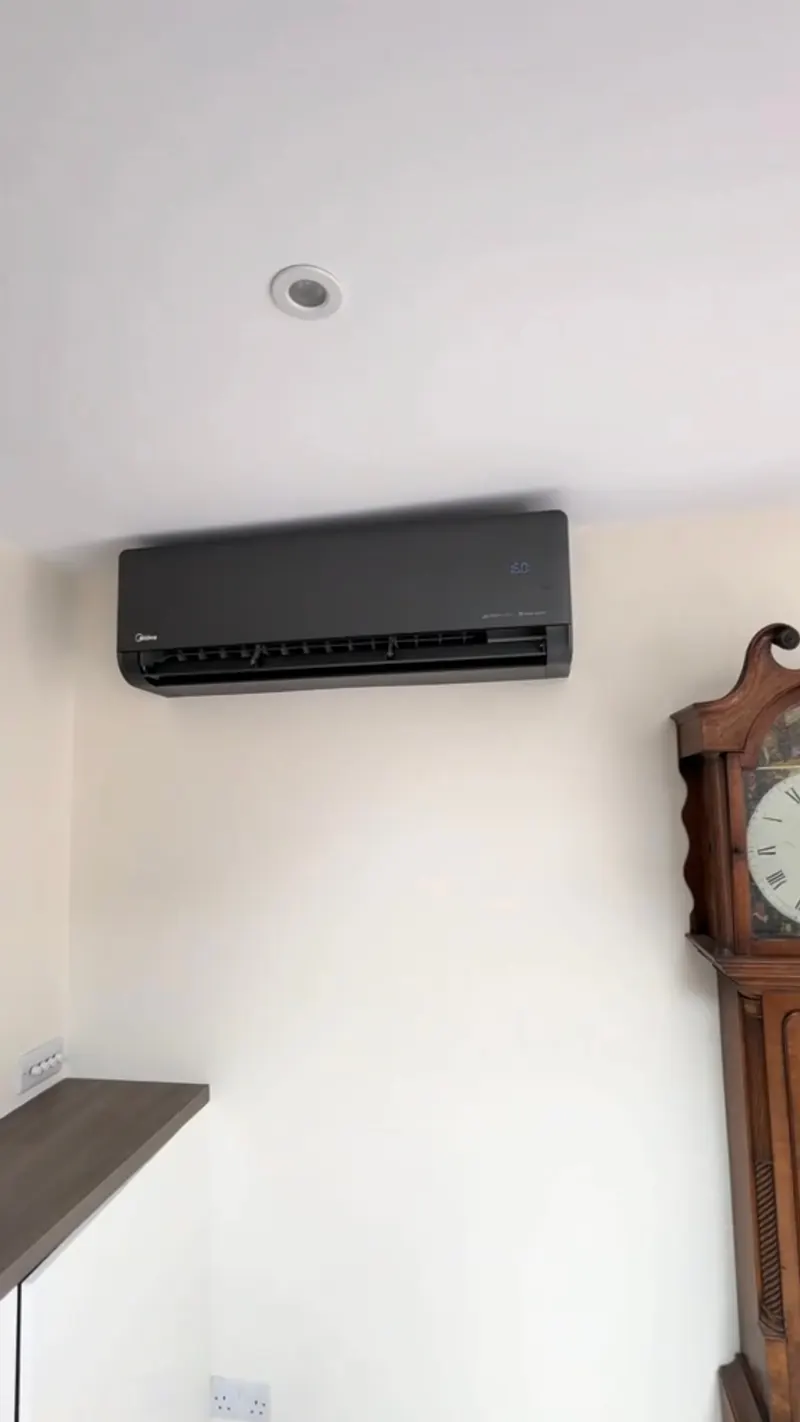 Air conditioning
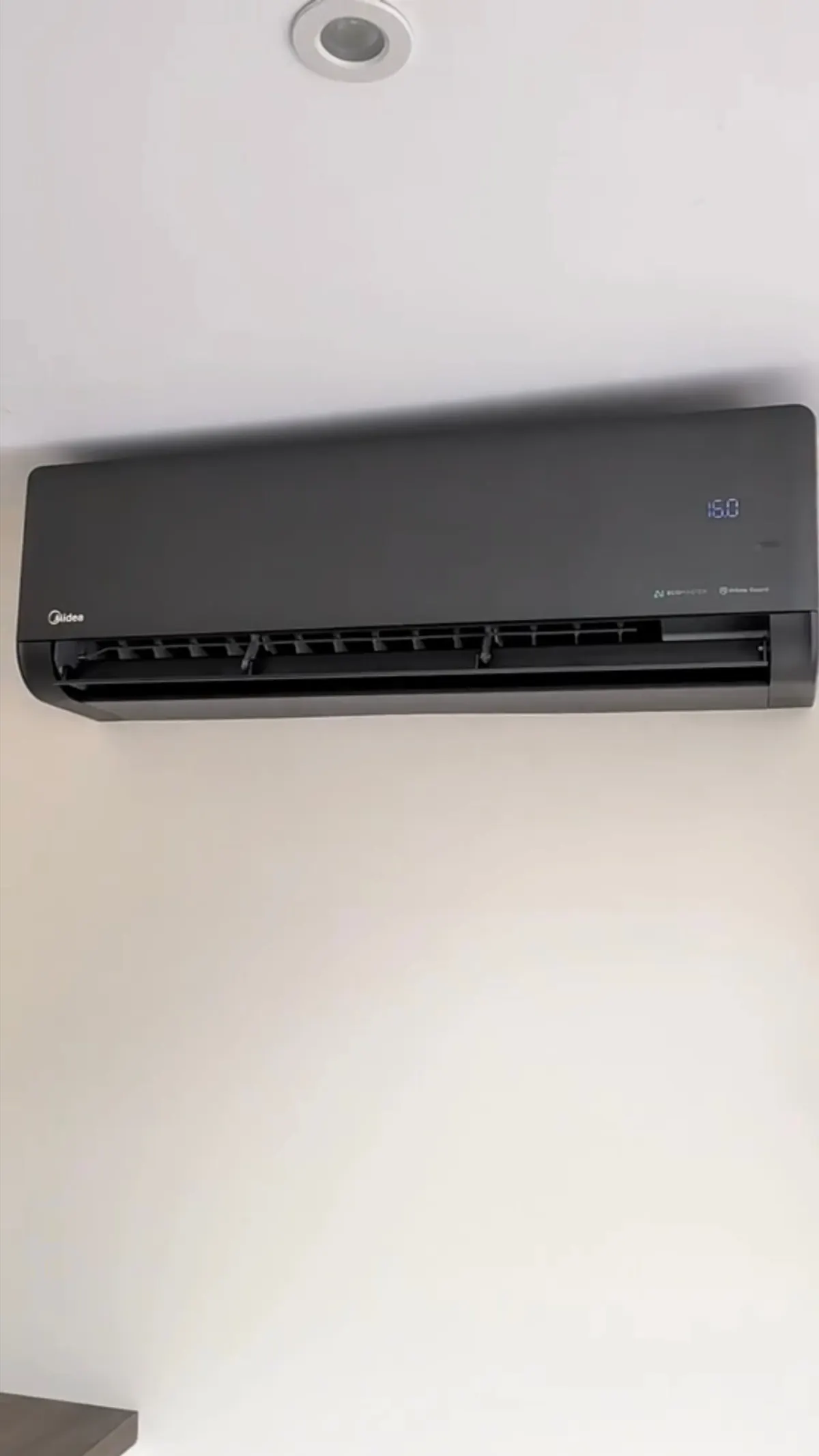
Black wall unit in a sitting room
Chosen to sit with the room, not against it
Air conditioning
Black wall unit in a sitting room
Chosen to sit with the room, not against it
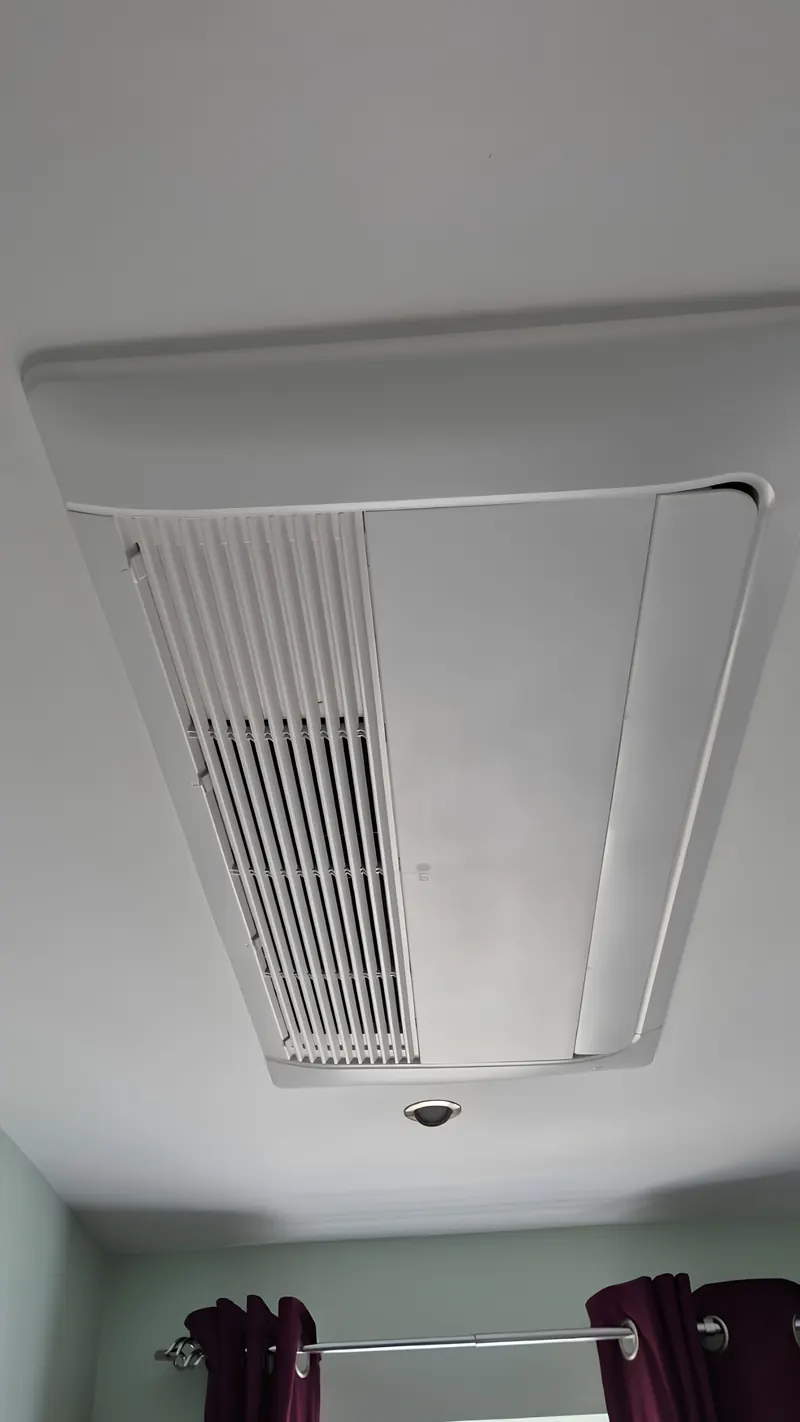 Air conditioning
Ceiling cassette
Recessed flush into the ceiling
Air conditioning
Ceiling cassette
Recessed flush into the ceiling
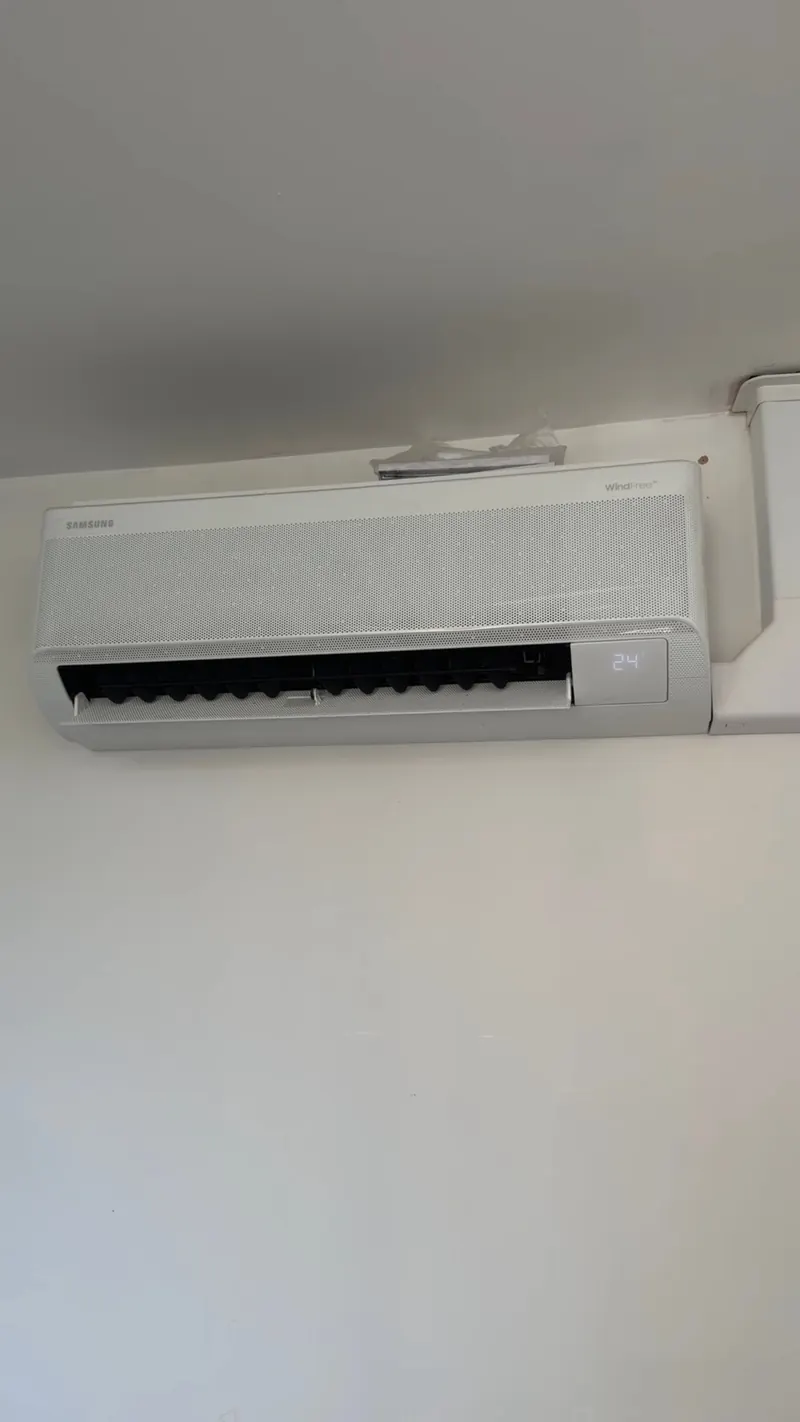 Air conditioning
Samsung Wind-Free
Cooling without a draught on the room
Air conditioning
Samsung Wind-Free
Cooling without a draught on the room
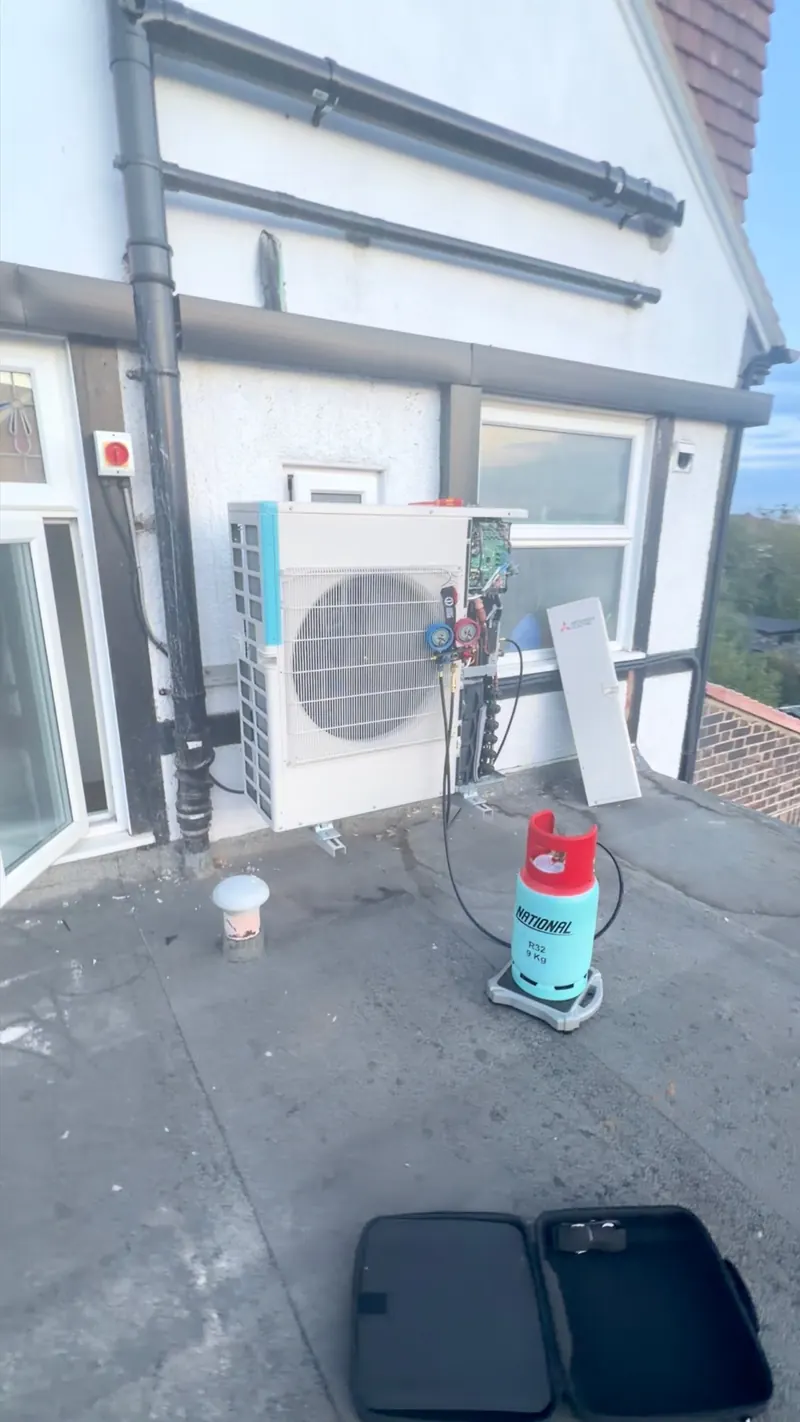 Air conditioning
Rooftop commissioning
Pressure tested and charged on gauges
Air conditioning
Rooftop commissioning
Pressure tested and charged on gauges
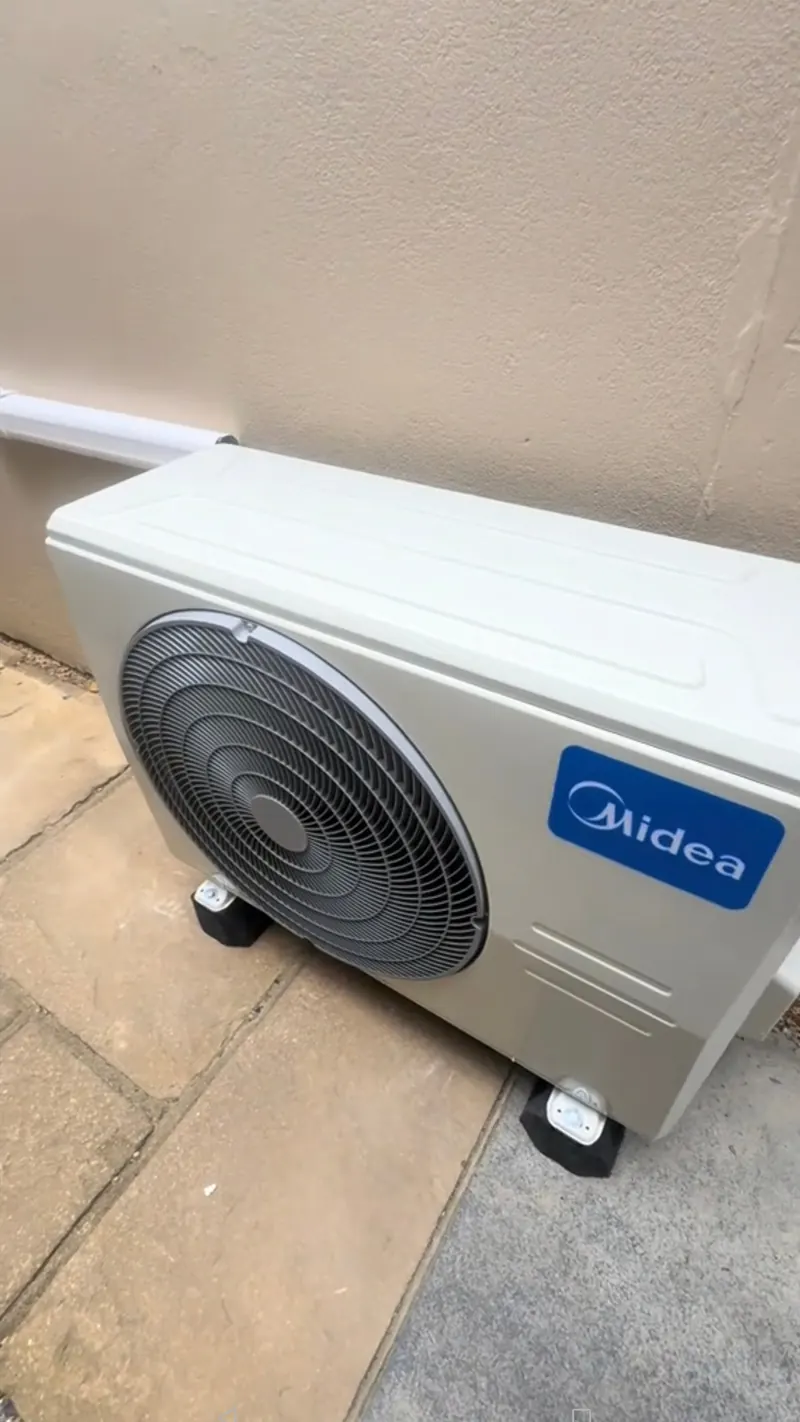 Air conditioning
Outdoor unit at ground level
On paving beside the house, easy to service
Air conditioning
Outdoor unit at ground level
On paving beside the house, easy to service
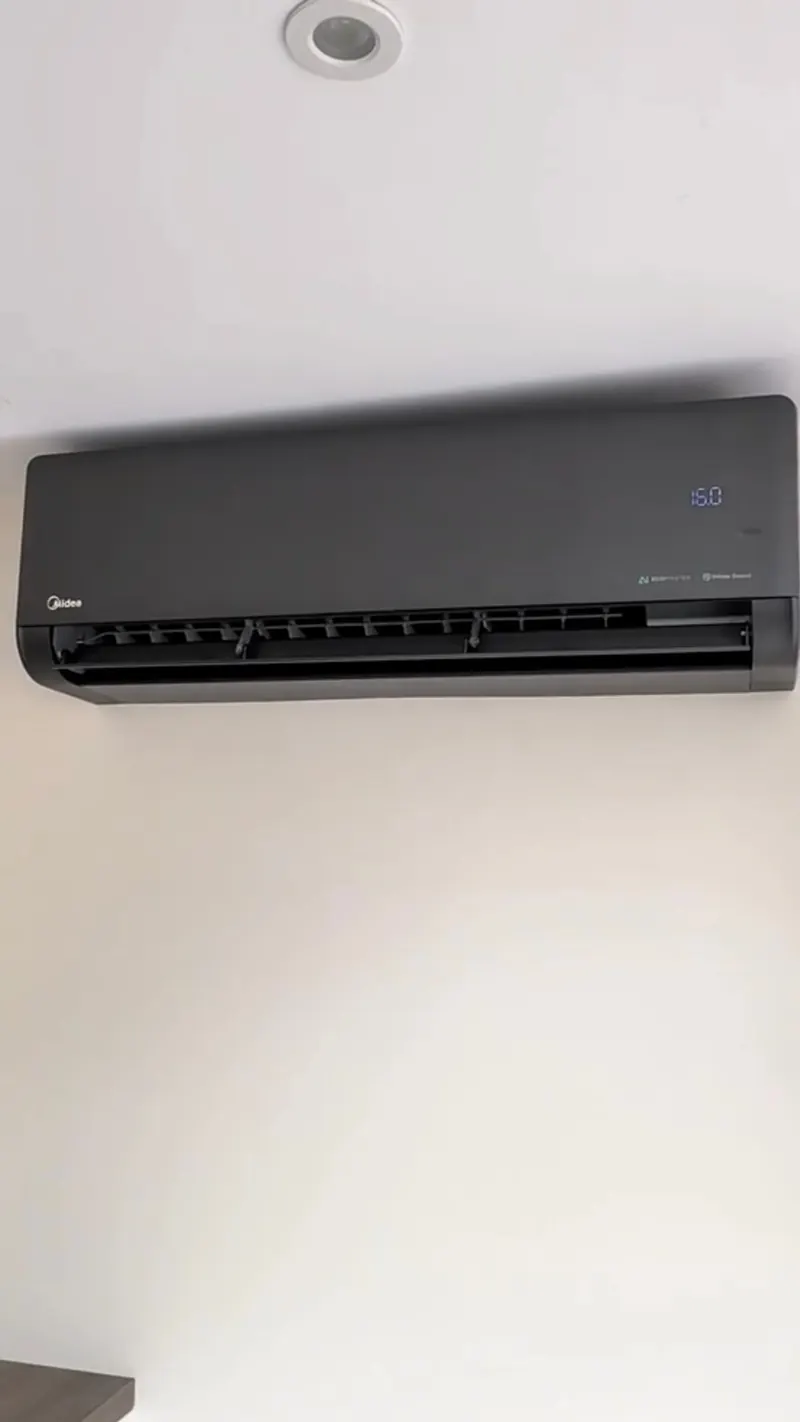 Air conditioning
Black wall unit, running
Quiet enough for a bedroom
Air conditioning
Black wall unit, running
Quiet enough for a bedroom
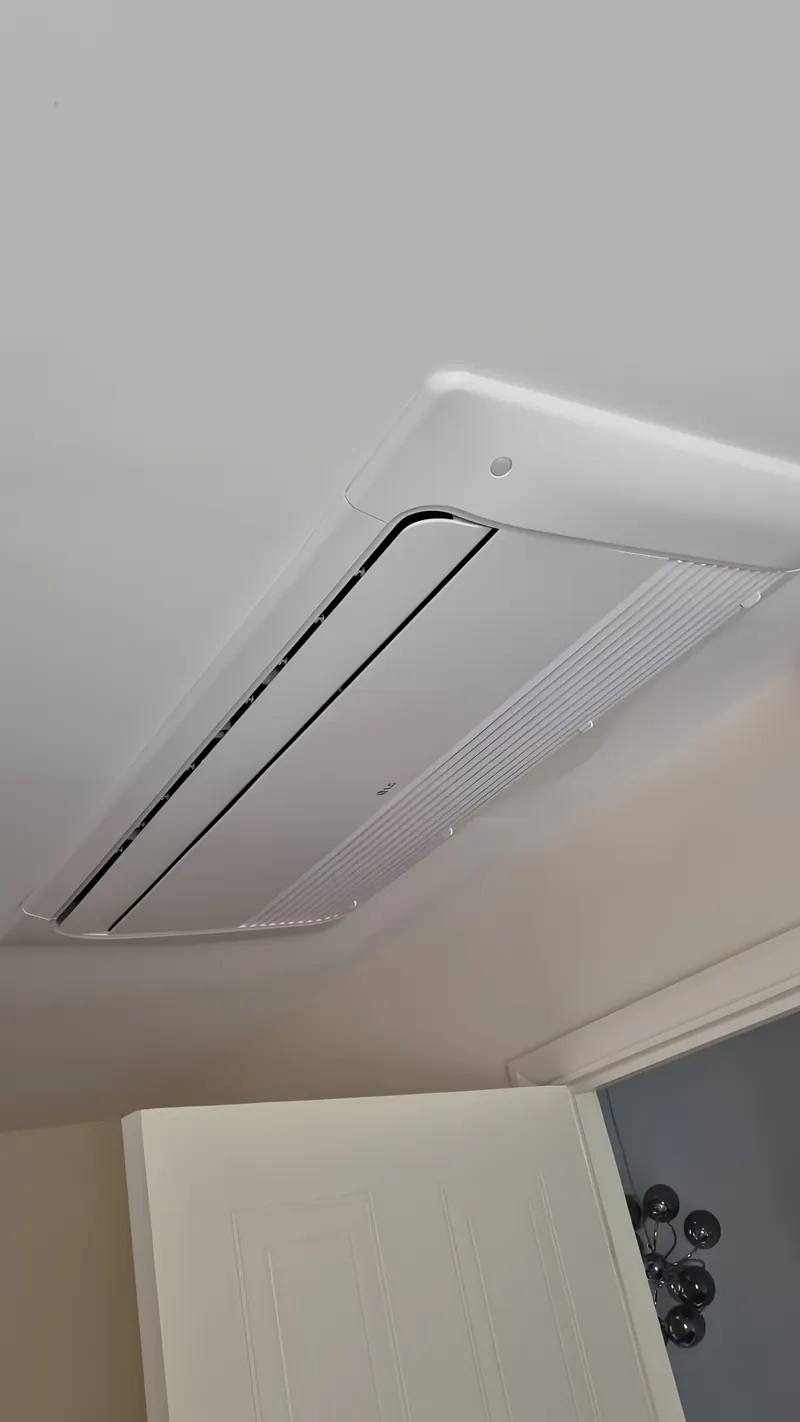 Air conditioning
One-way ceiling cassette
Only the grille shows
Air conditioning
One-way ceiling cassette
Only the grille shows
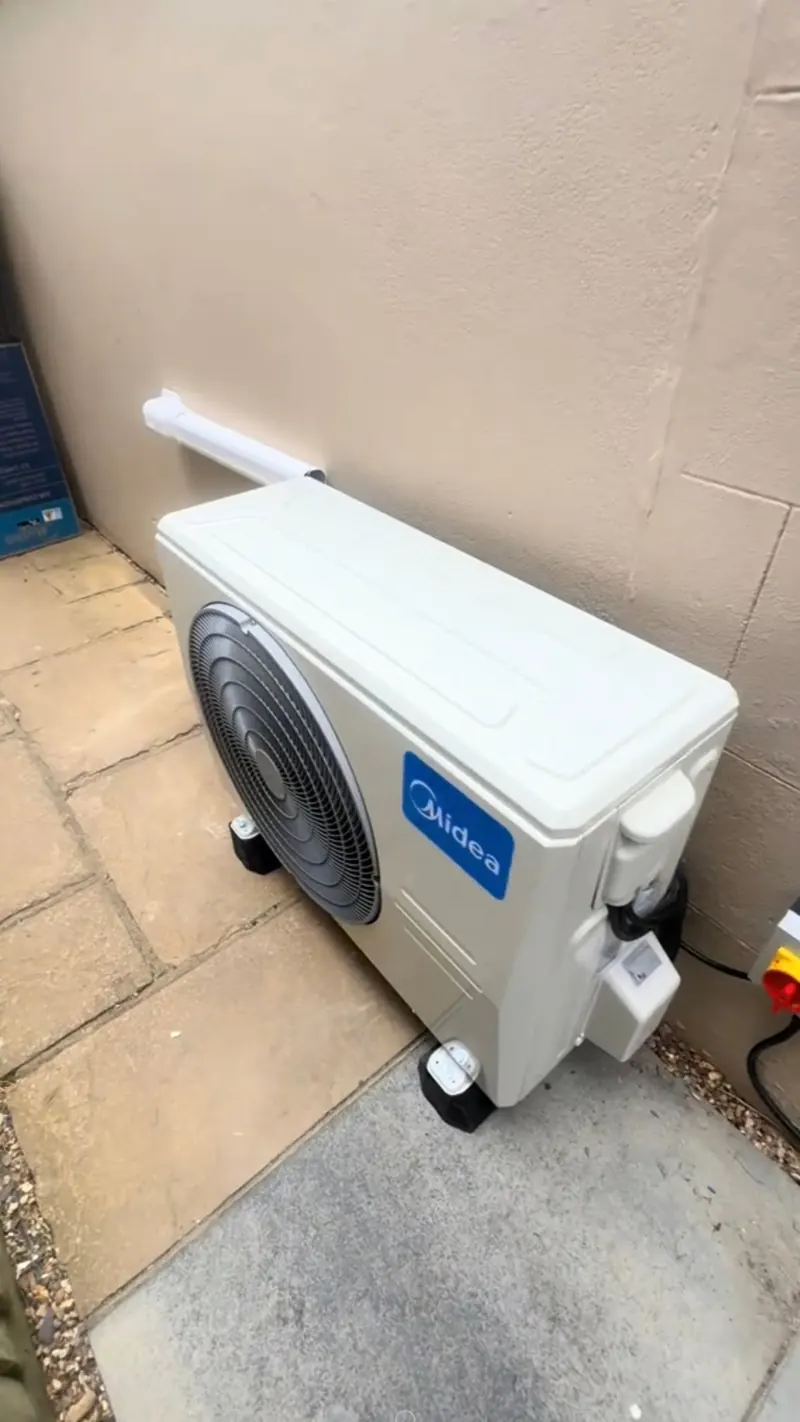 Air conditioning
Outdoor unit on paving
Against render, clear of the boundary
Air conditioning
Outdoor unit on paving
Against render, clear of the boundary
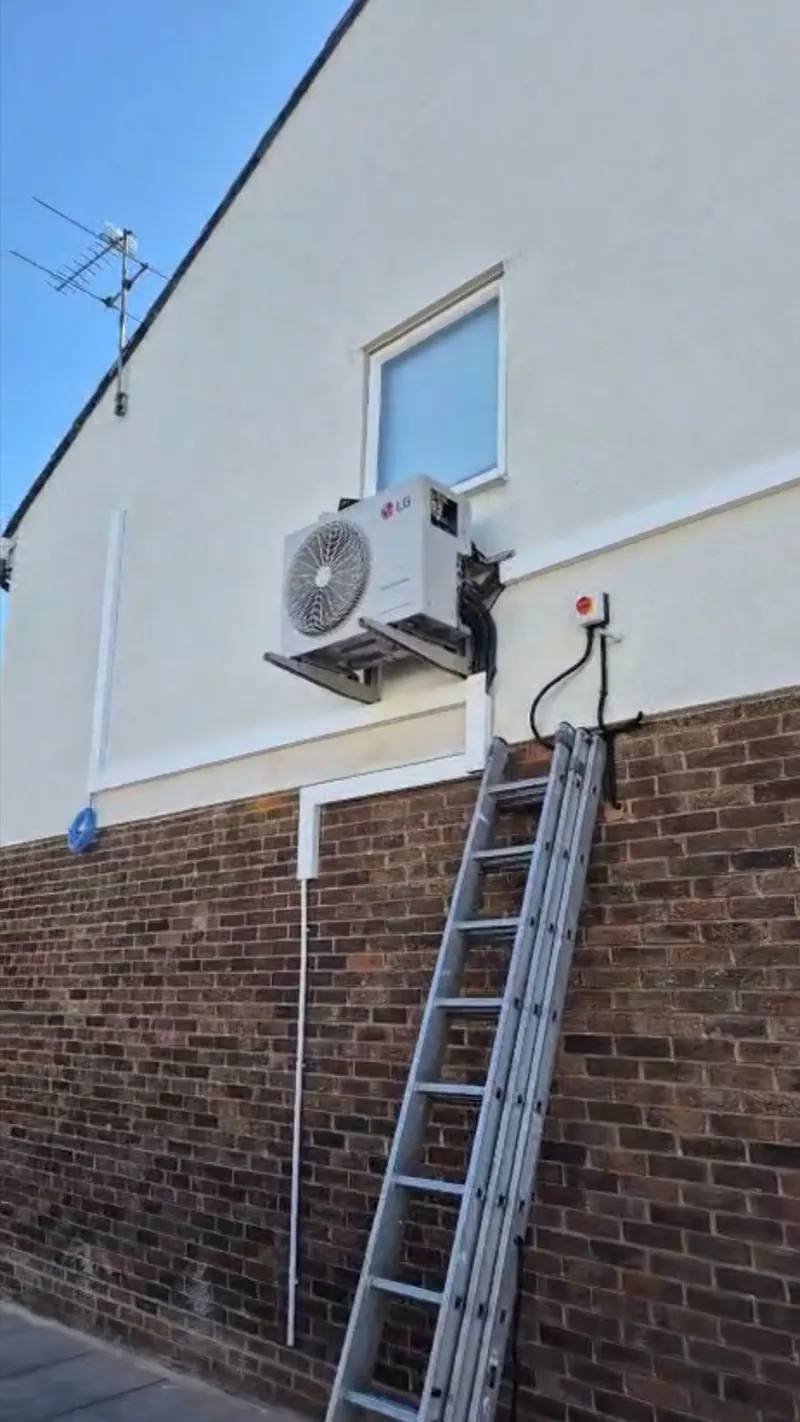 Air conditioning
Condenser high on a wall
On brackets where the ground was not an option
Air conditioning
Condenser high on a wall
On brackets where the ground was not an option
A typical London hotel bedroom of 15 to 20 square metres needs a 2.5 or 3.5kW unit. The choice that matters most is not the size but the noise: an indoor unit that is quiet at night, and outdoor units placed where they will not wake the guests or the building next door.
For a building with many rooms, one system with a controller in each room and a central override usually beats a separate split system for every room.
Read the full guide: 7 sections, about 3 minutes
Where the heat in a hotel comes from
| Source | What it contributes | Why it matters |
|---|---|---|
| Guests | Roughly 100W each, mostly in the evening | Bedrooms load up just as the sun has gone |
| Sun on south and west rooms | Rooms that warm all afternoon while empty | Those rooms produce the complaints; size them first |
| Televisions, kettles and lighting | Small per room, constant in the public areas | The lobby and breakfast room are sized on their own |
| Kitchen and breakfast service | Cooking, and a full room at 8am | A kitchen needs extraction as well as cooling |
| Top floors and rooms in the roof | Heat from the roof all day | Like a loft conversion: about 30 percent more output |
Quiet is the specification
Indoor units are chosen by how quiet they are at their lowest fan speed, because that is the speed a guest sleeps with. Most have a night or quiet mode that turns the fan down further and dims the display.
Outdoor units go where the building can take them without putting a fan under a guest's window: a flat roof, a rear yard or a plant area, with the noise checked against the nearest windows, ours and the neighbours'.
One room at a time, never closing the hotel
The installation is planned against the occupancy. A few rooms are taken out of sale at a time, finished and handed back, and the pipework in corridors and risers is run at the quietest hours.
Public areas are done early in the morning or late at night, so the breakfast room opens on time every day of the job.
Controls guests understand, with limits on them
A guest should be able to make the room cooler or warmer without reading anything. A simple wall controller does that better than a remote, and the temperature range can be limited so a room is never left at 16 degrees with the window open.
Most commercial systems can also be linked to the key-card switch by the door, so a unit stops when the room is empty, which is where the running cost of a hotel system is really controlled.
Guest houses, B&Bs and serviced apartments
A smaller guest house is closer to a large house than to a hotel, and domestic multi-split systems, one outdoor unit serving two to five rooms, are usually the right answer and the cheaper one.
Serviced apartments in a block are flats, and the freeholder's consent comes before any of the engineering, exactly as it does for a resident.
What it costs
Hotels are quoted from a heat load calculation and a room schedule, and the quote separates plant, installation, electrics and making good. The figures below are indicative and built from the same model as the rest of the site.
| Scope | Usual system | Indicative price |
|---|---|---|
| Guest bedroom | 1 wall unit | £2,400 to £3,500 |
| Two bedrooms on one outdoor unit | Multi-split | £4,300 to £5,800 |
| Breakfast room or lounge | 1 to 2 ceiling cassettes | £2,900 to £7,600 |
| A floor or the whole building | VRF, a controller in each room | From heat load and drawing |
| Maintenance, per unit | Visits out of season | From £95 plus VAT |
Every figure on this site is an estimate built from the quotations we issued in 2026 and our own installation experience. It is not a quotation. The price you are given after the free survey is the price you pay.
Other commercial work
Dental and medical clinics
A treatment room is small, full of equipment, and occupied all day by people in gloves, gowns and masks.
Dental and medical clinicsWorkshops and warehouses
An industrial unit with a metal roof and a roller shutter is an oven in July.
Workshops and warehousesOffices
The heat in an office does not mostly come through the windows.
OfficesAll commercial work
How commercial jobs are priced, the F-Gas and TM44 duties, and maintenance contracts.
Commercial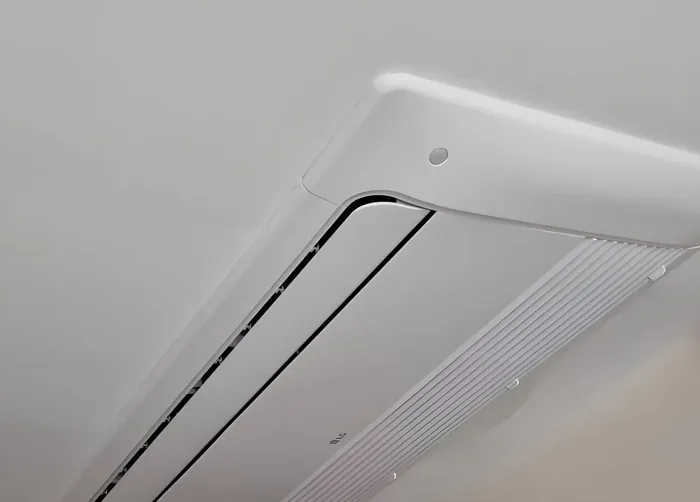
Your estimate
£2,400to£3,200
Supplied, fitted, commissioned and certificated. Includes VAT.
Send this on WhatsAppPrice it for hotels and guest houses
Commercial work is priced on the number of indoor units and what kind they are, the same as anywhere else. The heat load calculation at the survey is what turns this into one number.
Last step: where do we send your written price?
Every figure on this site is an estimate built from the quotations we issued in 2026 and our own installation experience. It is not a quotation. The price you are given after the free survey is the price you pay.
Hotels and guest houses: common questions
Can you install without closing the hotel?
Yes. Rooms are taken out of sale a few at a time, finished and handed back, and the public areas are done outside their opening hours.
The programme is agreed against your occupancy before anything starts.
Can the air conditioning switch off when guests leave the room?
Yes, on most commercial systems. The unit is linked to the key-card switch by the door, so it stops when the card is taken out and restarts when the guest returns.
It is one of the cheapest ways to cut the running cost of a hotel system.
Our hotel is in a listed building. Is that a problem?
It changes the process rather than the answer. Listed building consent comes first, and the outdoor units and pipe routes are designed around the building's character.
Air conditioning in a listed building sets out the order to do it in.
Do you maintain systems that are already installed?
Yes, any make, including systems fitted by companies no longer trading. Visits are planned out of season so no room is out of action in summer.
Free survey and heat load calculation
Free on jobs over 5,000 pounds. You get a design drawing, a fixed price split into plant, installation, electrics and builders work, and a programme with the out-of-hours windows agreed before anyone starts.
Monday to Friday 9am to 7pm, Saturday 10am to 3pm, Sunday closed
Page updated