Server and comms room
cooling in London
Server and comms room cooling that runs all year, around the clock, with the alarms and the maintenance to keep it that way.
- Free survey and heat load calculation on jobs over 5,000 pounds
- Quote split into plant, install, electrics and out-of-hours
- Out of hours fitting where the business cannot close
Prefer to talk? 020 3393 1331
Accredited, and fitting the brands you know











Air conditioning we have fitted
Our own jobs, photographed on site. Real rooms, real outdoor positions, nothing from a catalogue.
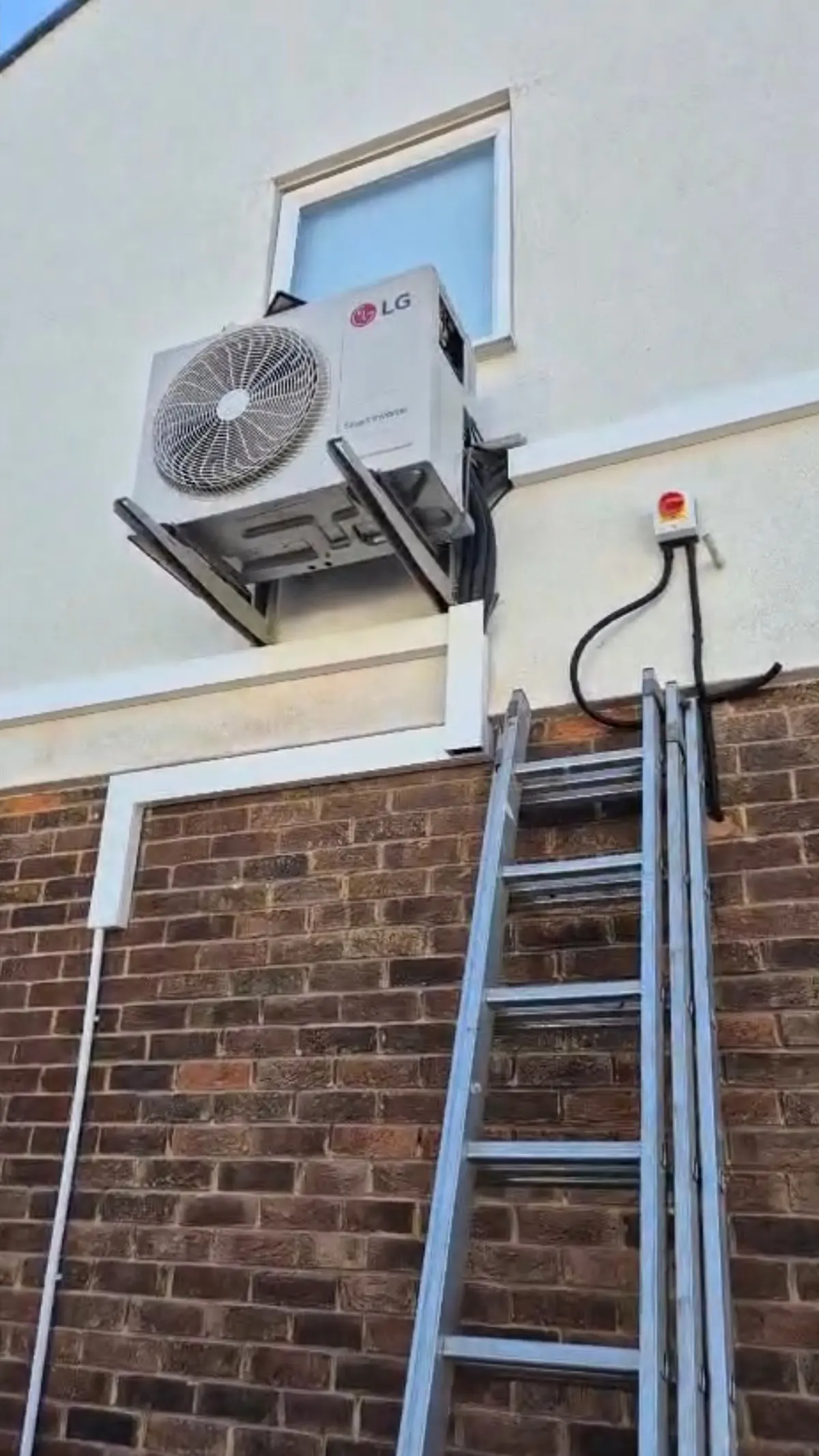
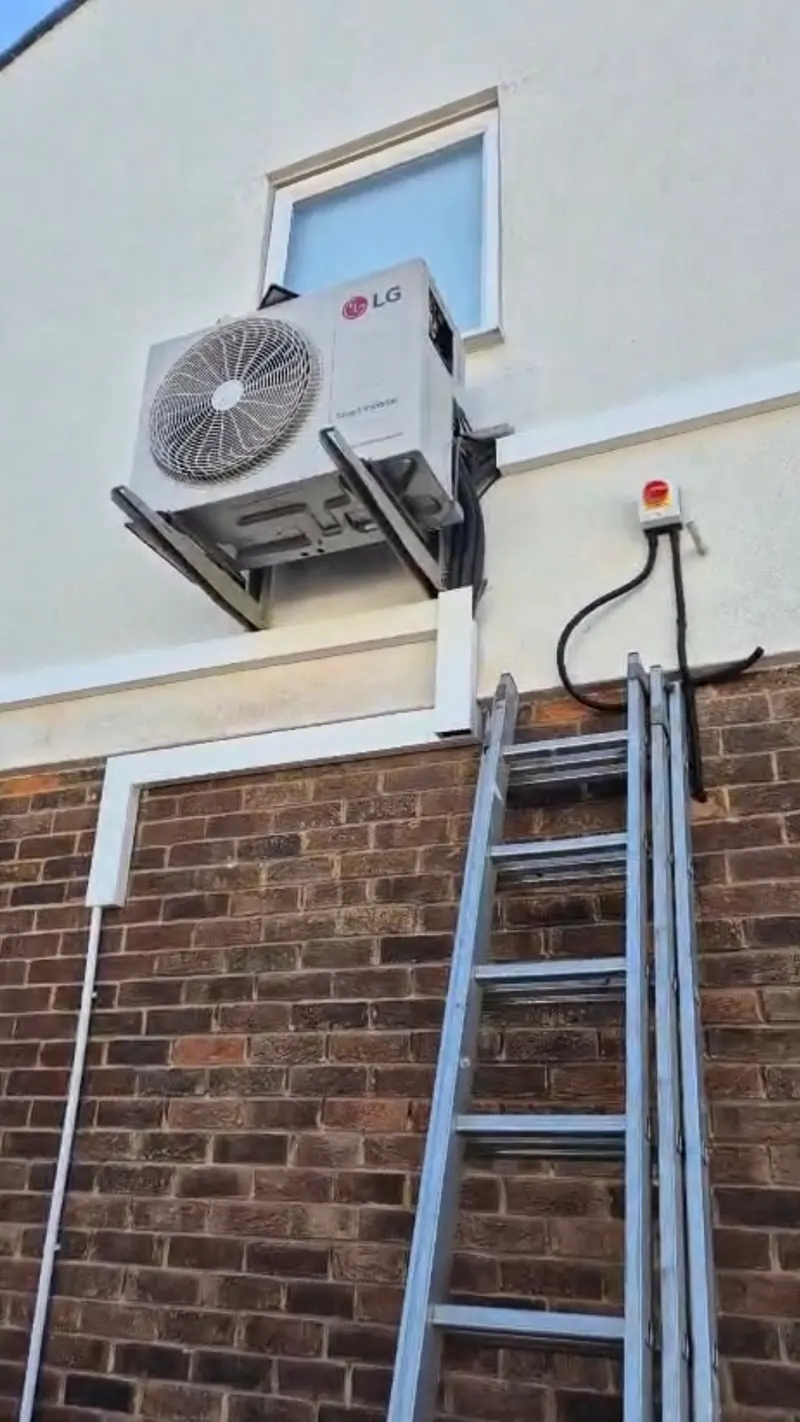 Air conditioning
Outdoor unit on wall brackets
Above brick, isolator and cabling run tidy
Air conditioning
Outdoor unit on wall brackets
Above brick, isolator and cabling run tidy
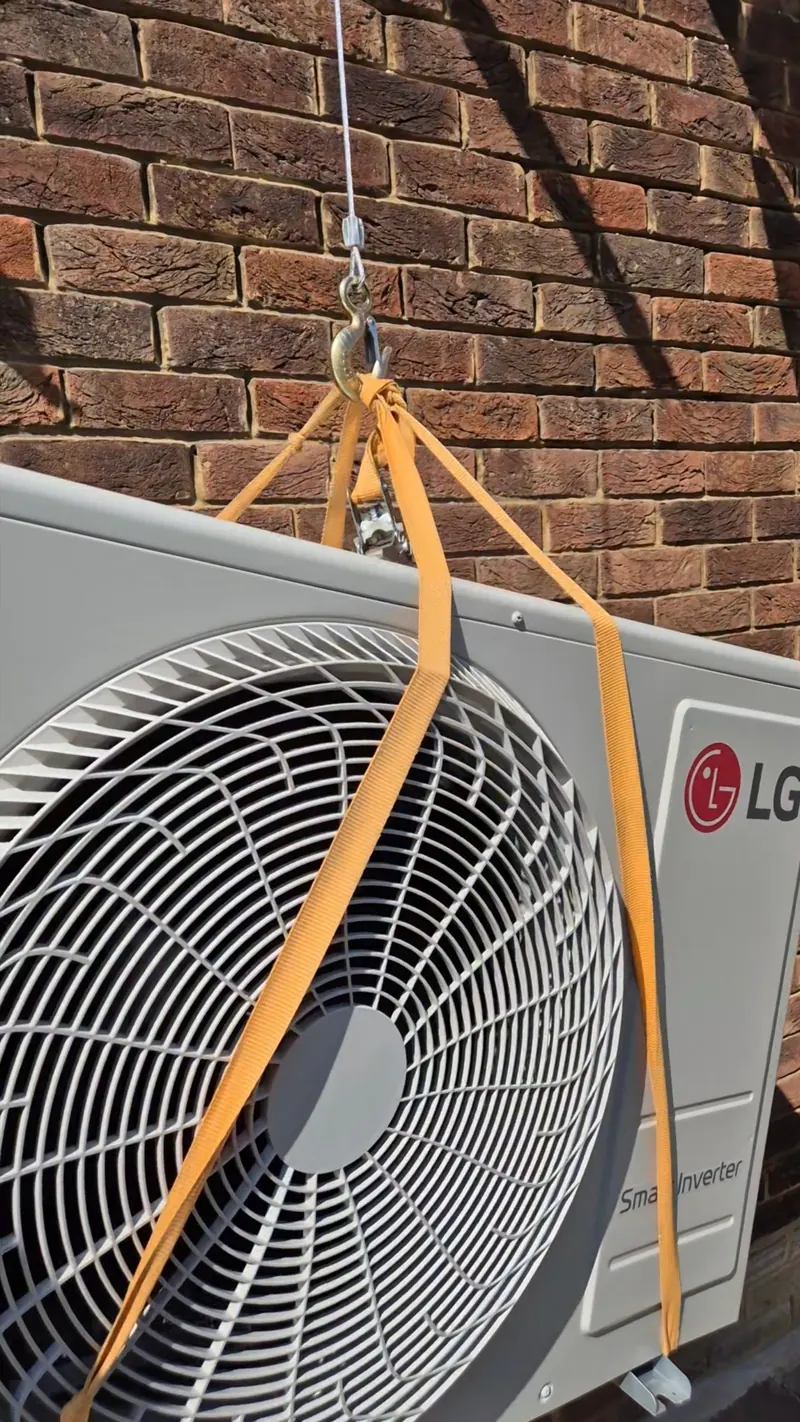 Air conditioning
Condenser going up on straps
Lifted into a wall position, no scaffold
Air conditioning
Condenser going up on straps
Lifted into a wall position, no scaffold
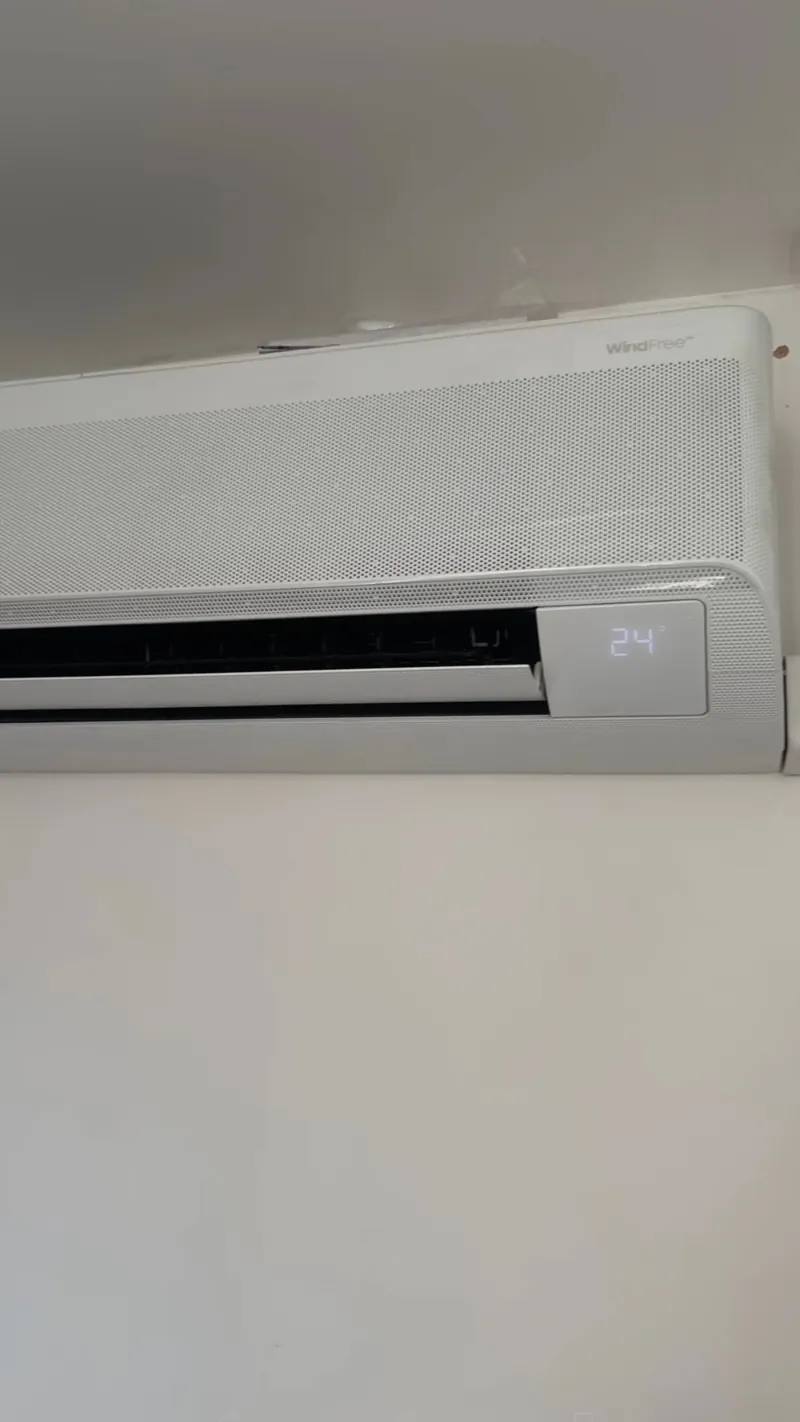 Air conditioning
Wall unit, commissioned
Set to 24 degrees and handed over
Air conditioning
Wall unit, commissioned
Set to 24 degrees and handed over
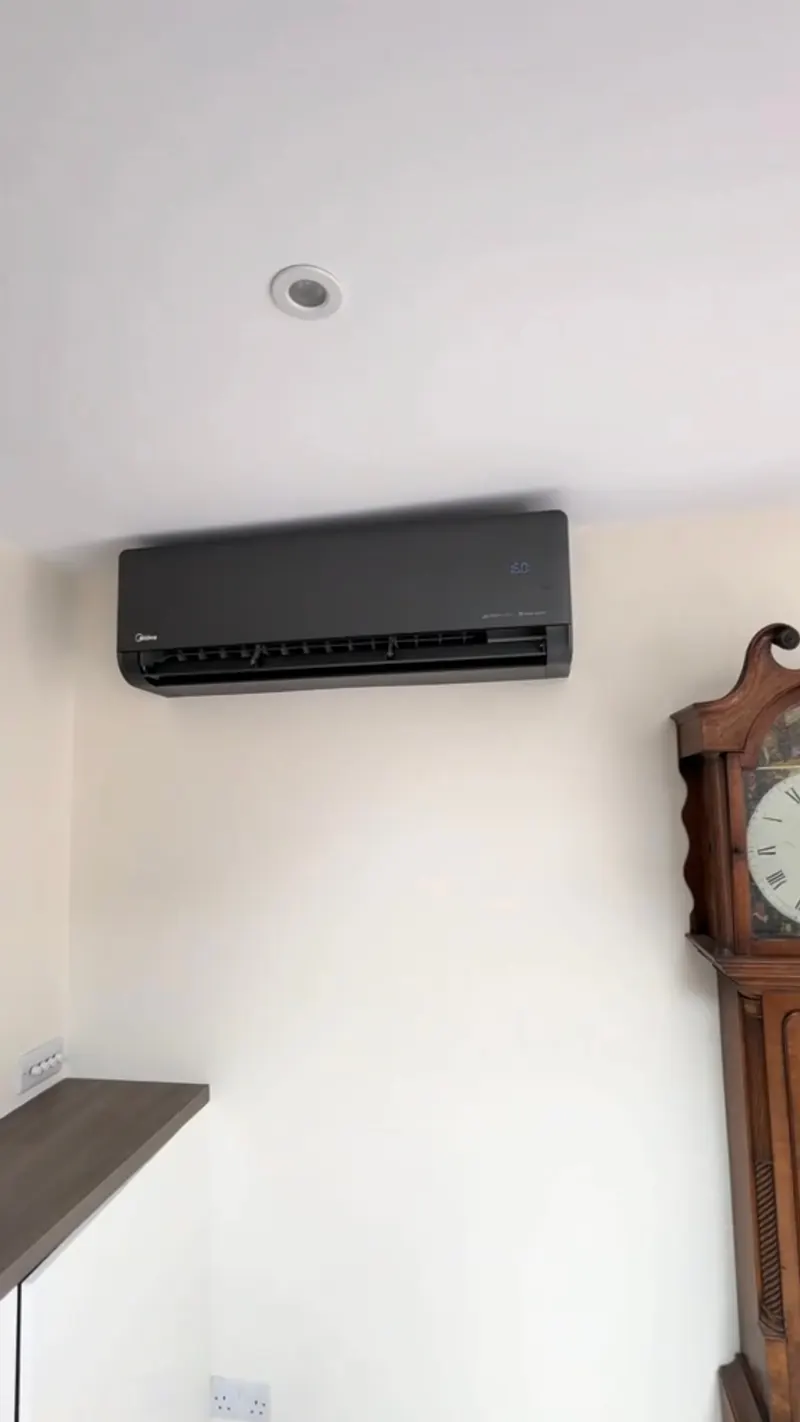 Air conditioning
Black wall unit in a sitting room
Chosen to sit with the room, not against it
Air conditioning
Black wall unit in a sitting room
Chosen to sit with the room, not against it
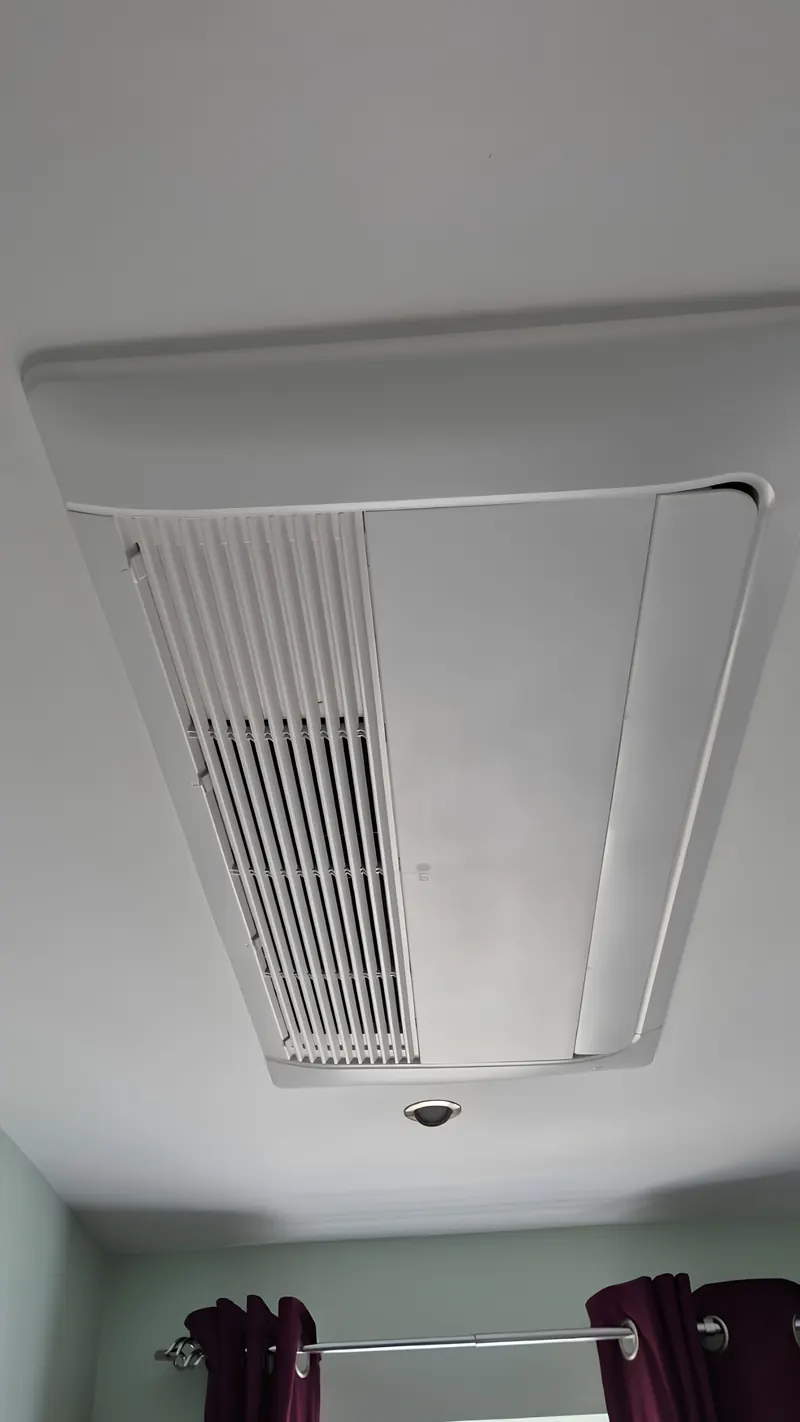 Air conditioning
Ceiling cassette
Recessed flush into the ceiling
Air conditioning
Ceiling cassette
Recessed flush into the ceiling
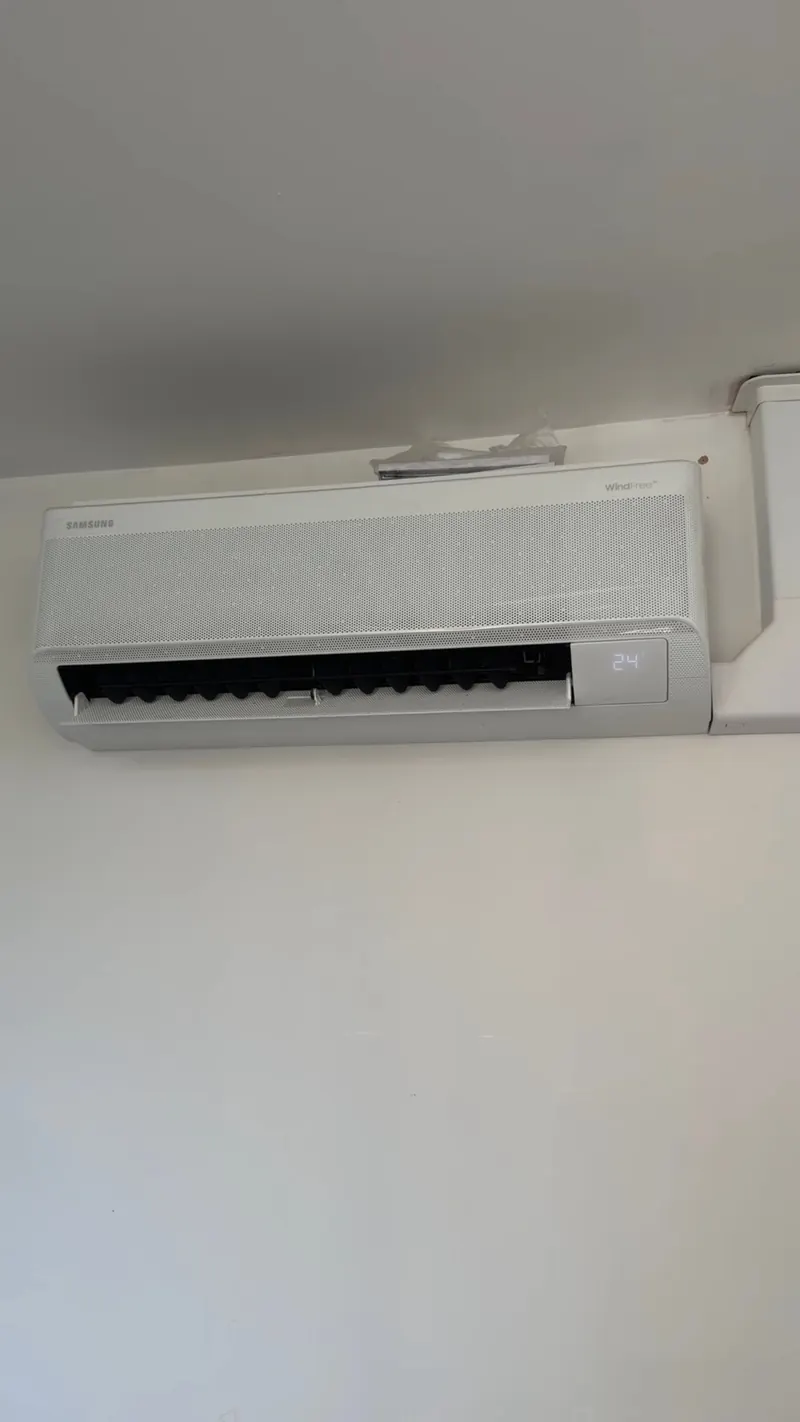 Air conditioning
Samsung Wind-Free
Cooling without a draught on the room
Air conditioning
Samsung Wind-Free
Cooling without a draught on the room
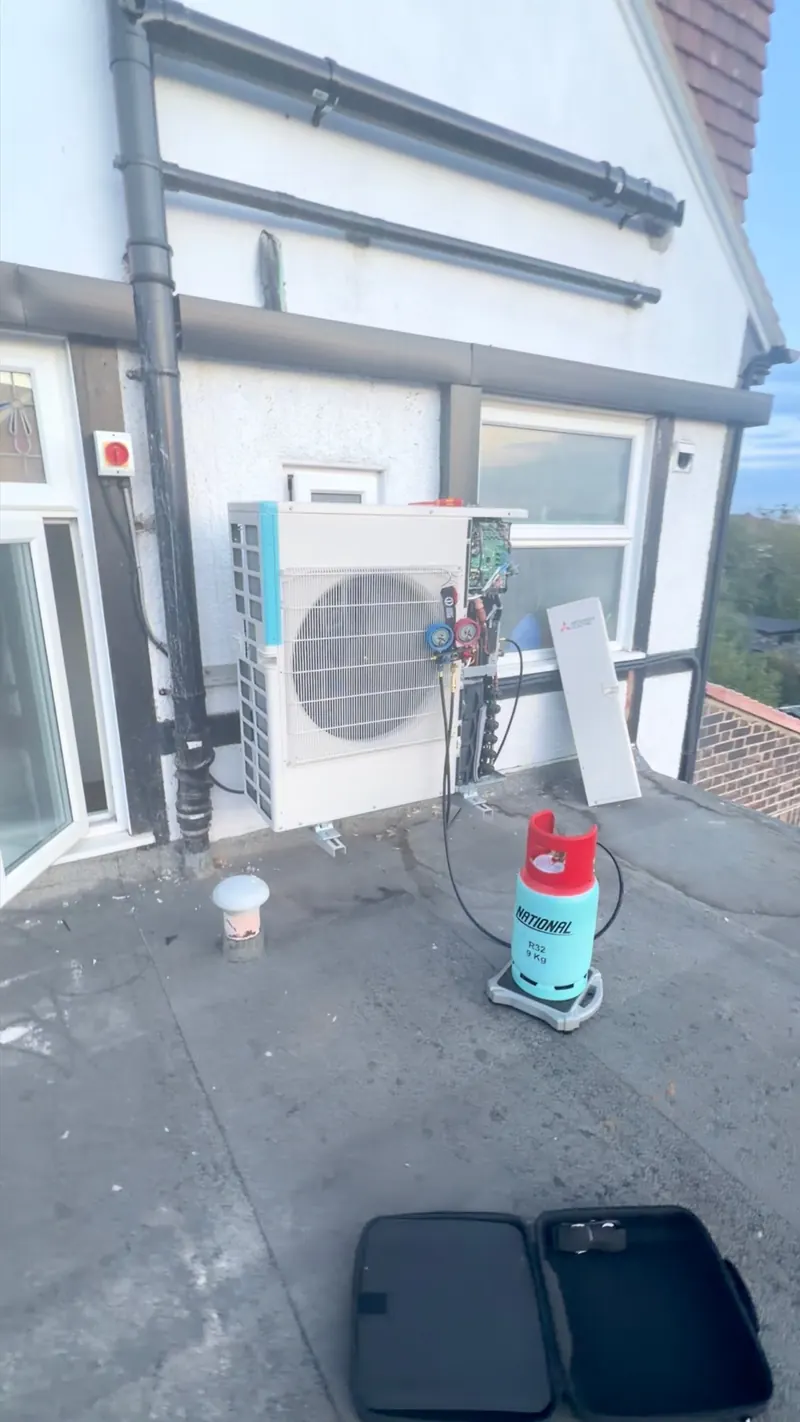 Air conditioning
Rooftop commissioning
Pressure tested and charged on gauges
Air conditioning
Rooftop commissioning
Pressure tested and charged on gauges
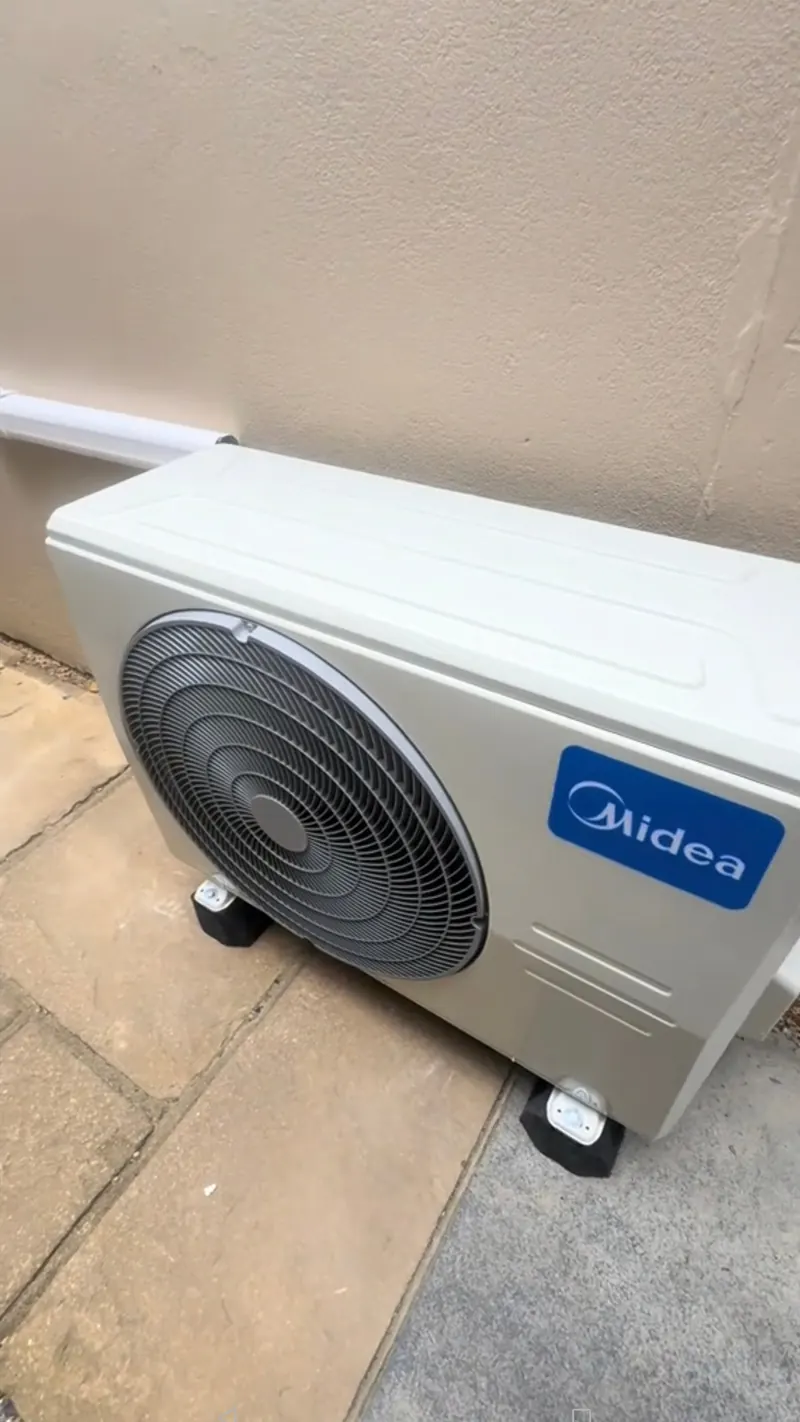 Air conditioning
Outdoor unit at ground level
On paving beside the house, easy to service
Air conditioning
Outdoor unit at ground level
On paving beside the house, easy to service
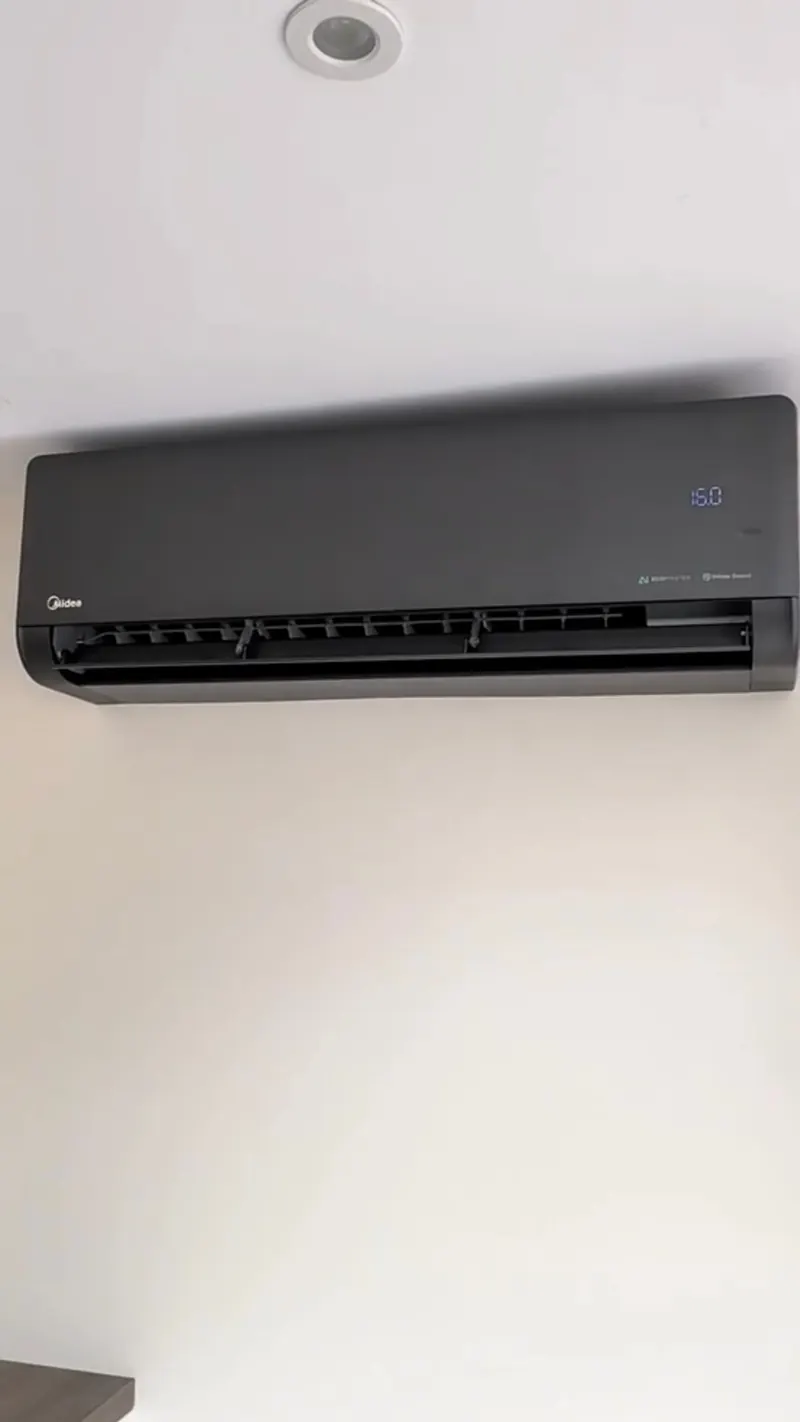 Air conditioning
Black wall unit, running
Quiet enough for a bedroom
Air conditioning
Black wall unit, running
Quiet enough for a bedroom
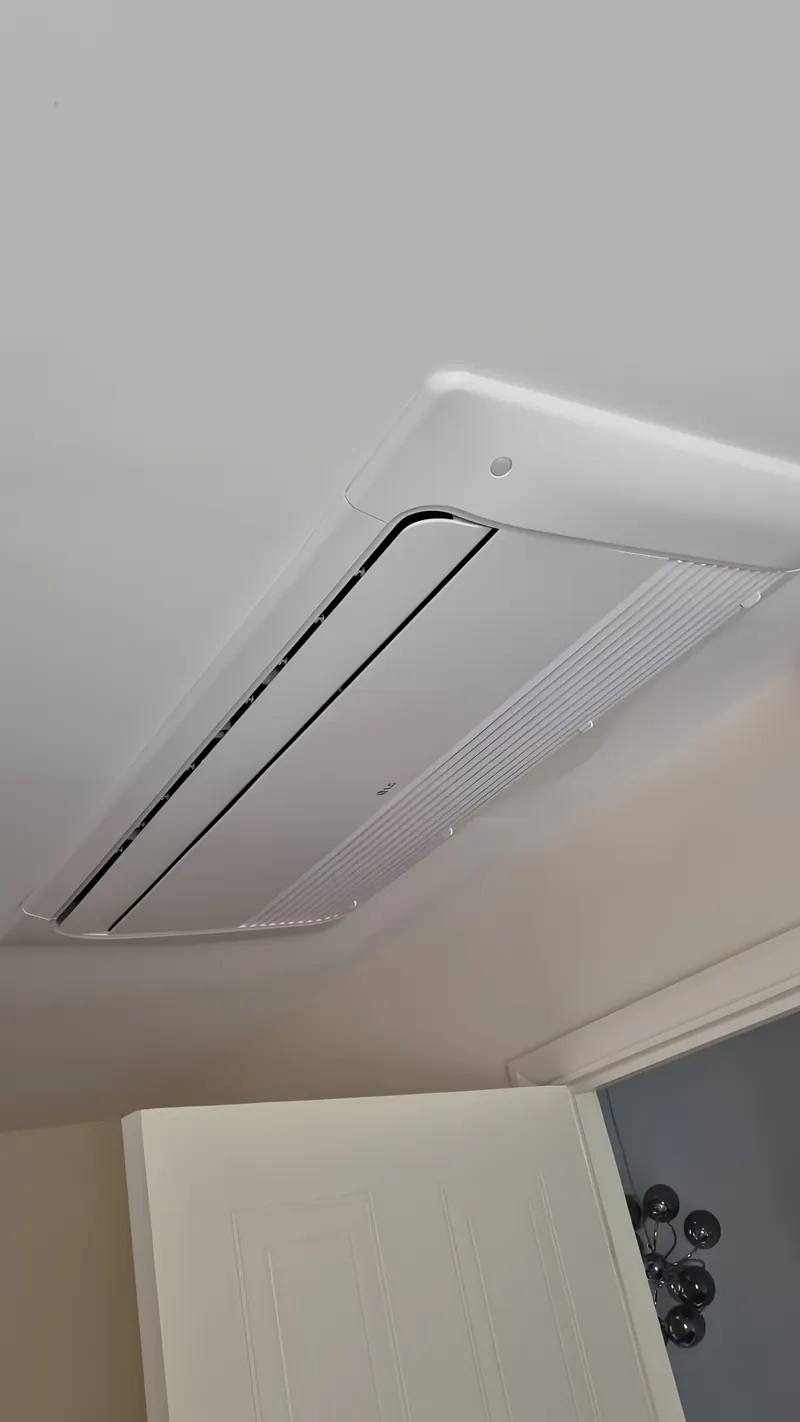 Air conditioning
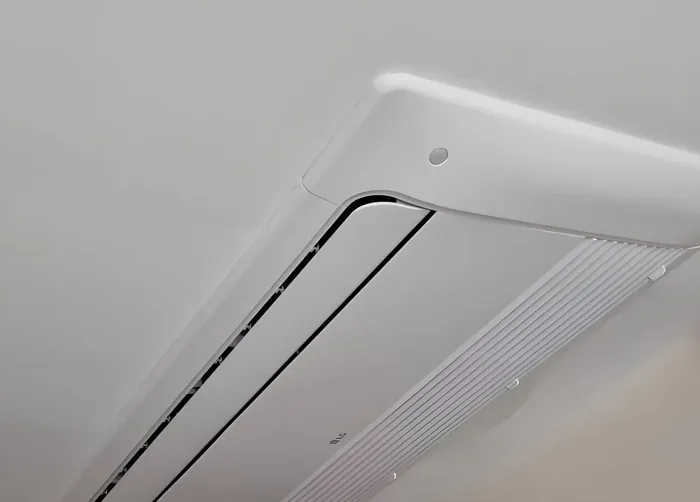
One-way ceiling cassette
Only the grille shows
Air conditioning
One-way ceiling cassette
Only the grille shows
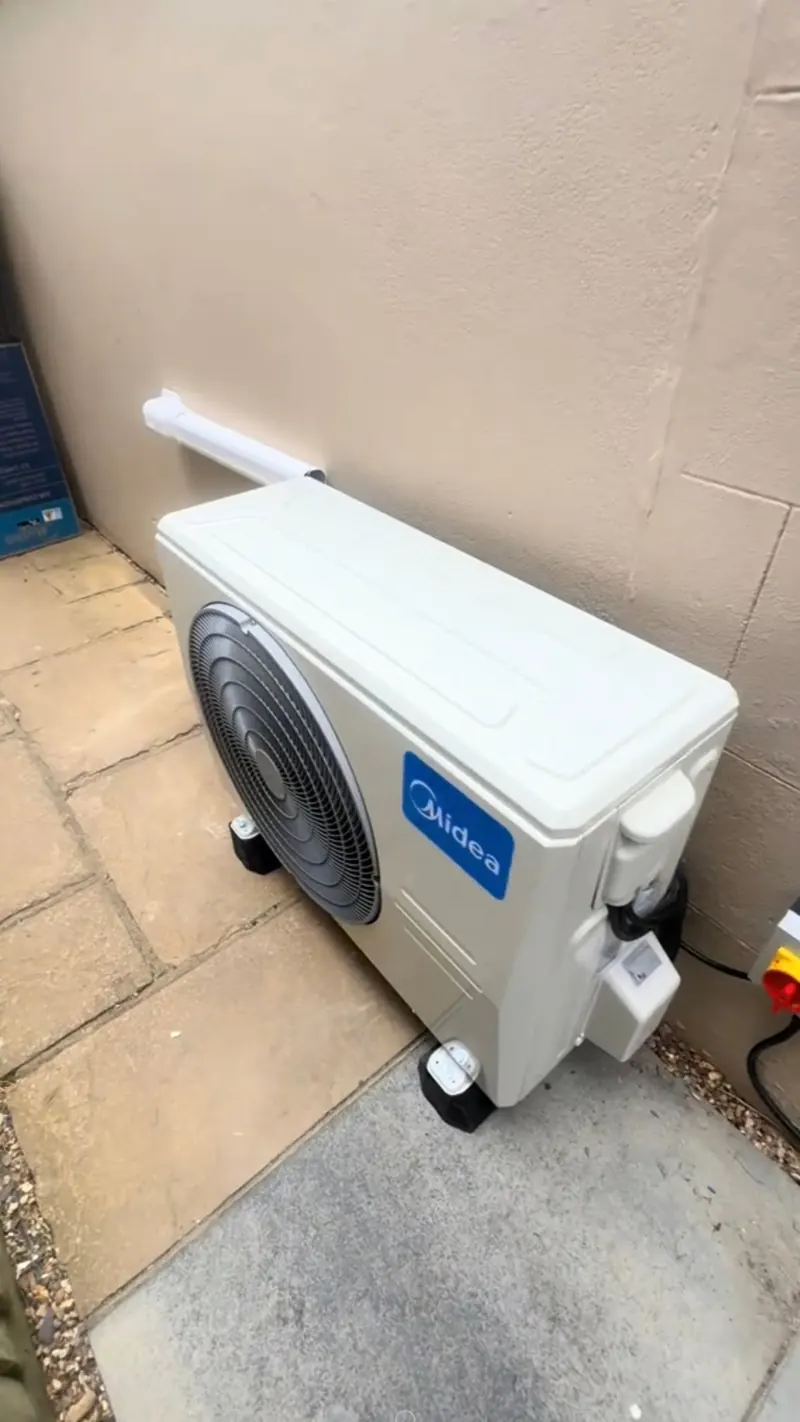 Air conditioning
Outdoor unit on paving
Against render, clear of the boundary
Air conditioning
Outdoor unit on paving
Against render, clear of the boundary
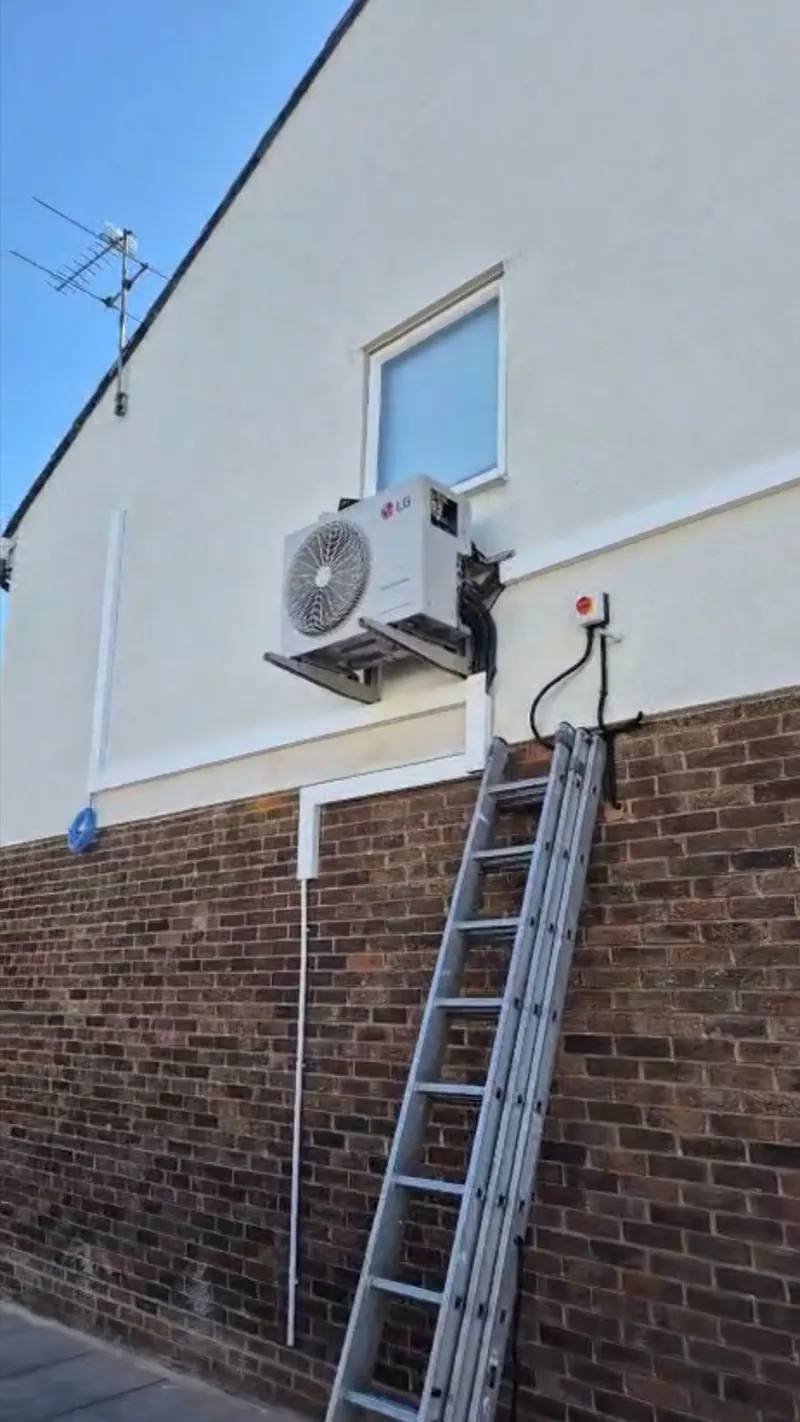 Air conditioning
Condenser high on a wall
On brackets where the ground was not an option
Air conditioning
Condenser high on a wall
On brackets where the ground was not an option
A server room needs cooling all year, including in winter, so it needs a unit specified for low ambient operation. A standard comfort air conditioner will not reliably run when it is near freezing outside. On our rates one dedicated unit is 2,400 to 3,200 pounds, and a second for redundancy is priced at the survey.
Size it from the electrical load of the equipment, not from the floor area. A comms room is a small space with a very large load in it.
Your estimate
£2,400to£3,200
Supplied, fitted, commissioned and certificated. Includes VAT.
Send this on WhatsAppPrice it for server and comms rooms
Commercial work is priced on the number of indoor units and what kind they are, the same as anywhere else. The heat load calculation at the survey is what turns this into one number.
Last step: what number should we call with your fixed price?
Every figure on this site is an estimate built from the quotations we issued in 2026 and our own installation experience. It is not a quotation. The price you are given after the free survey is the price you pay.
Commercial work in three steps
-
Survey and heat load
People, lighting, equipment and glazing, counted room by room.
-
A drawing and a fixed price
Plant, installation, electrics and builders work quoted separately.
-
Installed around you
A programme with the out-of-hours windows agreed before anyone starts.
Read the full guide: 6 sections, about 3 minutes
Why a normal air conditioner is the wrong machine
| Source | What it contributes | Why it matters |
|---|---|---|
| Runs all year | The kit makes heat in January as well as July | Standard units are not specified to cool at low outdoor temperature |
| Runs at full load continuously | No overnight setback, no weekend off | Duty cycle closer to industrial than to comfort cooling |
| Small room, large load | A single cabinet can be 2 to 5kW on its own | Floor area tells you almost nothing about the requirement |
| No people in it | Nobody notices it has failed until something switches off | Which is why monitoring matters more than in any other room |
| Failure is expensive | The room's contents are the business | Redundancy is a commercial decision, not a technical one |
Low ambient operation, which is the whole specification
A comfort air conditioner is designed to cool a room when it is hot outside. On a cold night the head pressure in the refrigerant circuit falls too low for the system to work properly, and depending on the unit it will either run badly, ice up, or refuse to start.
That is completely acceptable in a bedroom, which does not need cooling in February. It is a failure in a comms room, which does.
The answer is a unit specified for low ambient operation, usually with fan speed control on the outdoor unit to hold the head pressure up. It costs more than the comfort unit somebody will quote you instead, and the difference is the reason the room stays up.
Sizing from the kit, not the room
Almost all the electrical energy that goes into IT equipment leaves it as heat, so the load is close to the power draw. Add up what the equipment actually pulls, add the UPS losses, and that is the cooling requirement.
The number surprises people. A single well-populated cabinet with a couple of servers, a switch stack and a UPS is commonly 2 to 5kW, which is more than a large living room, in a cupboard.
Allow headroom for what will be added, because comms rooms only ever get fuller, and make sure the airflow in the room actually reaches the front of the cabinets. A correctly sized unit blowing at the back of a rack does very little.
Redundancy, and whether it is worth it here
N+1 means two units each capable of carrying the room, running alternately, so a failure or a service does not take the cooling away. It roughly doubles the plant cost and it is the right answer for some rooms and overkill for others.
The test is a commercial one rather than a technical one: what does an hour without this room cost the business, and how quickly could somebody physically get to it. A room that would take the phones and the card machines down on a Saturday is a different proposition from one that hosts a file server nobody touches at weekends.
Where full redundancy is not justified, a temperature alarm that reaches somebody's phone is the cheapest insurance available and it is very often missing.
What comms room cooling costs
Quoted from the equipment load and the room. The indicative figures below reflect a dedicated unit rather than comfort cooling, and the low ambient specification is included rather than being an extra.
| Scope | Usual system | Indicative price |
|---|---|---|
| Comms cupboard, one cabinet | Single dedicated unit, low ambient | £2,400 to £3,500 |
| Small server room, 2 to 4 cabinets | Larger unit or two, low ambient | From the load calculation |
| N+1 redundancy | Two units, alternating duty | Roughly double the plant |
| Temperature alarm to a phone | Fitted with the system | Quoted at survey |
| Maintenance, per unit | Standard contract, two visits a year | From £95 plus VAT per visit |
Every figure on this site is an estimate built from the quotations we issued in 2026 and our own installation experience. It is not a quotation. The price you are given after the free survey is the price you pay.
Other commercial work
Gyms and studios
A gym is the only premises we work in where the customers are deliberately generating as much heat and moisture as they can.
Gyms and studiosMaintenance contracts
A maintenance contract is not really about the machine.
Maintenance contractsSchools and nurseries
A class of thirty children gives off about as much heat as a two kilowatt heater left on all day, and most London schools were built to keep the cold out.
Schools and nurseriesAll commercial work
How commercial jobs are priced, the F-Gas and TM44 duties, and maintenance contracts.
CommercialServer and comms rooms: common questions
Can we just put a normal air conditioner in the server room?
It will work in summer and it is likely to let you down in winter. A comfort unit is not specified to run when it is cold outside, and a comms room needs cooling in January because the equipment does not know what month it is.
The unit you want has low ambient operation, usually with outdoor fan speed control. It is more expensive and it is the entire reason for specifying it.
How do we work out what size we need?
Add up the electrical load of everything in the room, because nearly all of it becomes heat, and include the UPS. That total is close to your cooling requirement in kilowatts.
Then add headroom for what gets added later. A cupboard with one cabinet is commonly 2 to 5kW, which is more cooling than a large living room needs.
Do we need two units?
It depends what an hour of downtime costs. N+1 means either unit can carry the room alone, so a failure or a routine service does not put the room at risk, and it roughly doubles the plant cost.
If that is not justified, at minimum fit a temperature alarm that reaches a phone. The commonest way a comms room overheats is that nobody was in the building when the cooling stopped.
Does the F-Gas leak checking duty apply to us?
It applies to the operator of the equipment, which is the business, once the system contains 5 tonnes of CO2 equivalent or more. Records have to be kept for five years.
A single small comms room unit is usually below that threshold; several units across a building can take you over it. We will tell you where you stand and keep the log as part of a maintenance contract. More on the commercial page.
Free survey and heat load calculation
Free on jobs over 5,000 pounds. You get a design drawing, a fixed price split into plant, installation, electrics and builders work, and a programme with the out-of-hours windows agreed before anyone starts.
Monday to Friday 9am to 7pm, Saturday 10am to 3pm, Sunday closed
Page updated