Restaurant and café
air conditioning in London
Restaurant and café air conditioning for the dining room and the kitchen, designed together and fitted between services.
- Free survey and heat load calculation on jobs over 5,000 pounds
- Quote split into plant, install, electrics and out-of-hours
- Out of hours fitting where the business cannot close
Prefer to talk? 020 3393 1331
Accredited, and fitting the brands you know









Air conditioning we have fitted
Our own jobs, photographed on site. Real rooms, real outdoor positions, nothing from a catalogue.
 Air conditioning
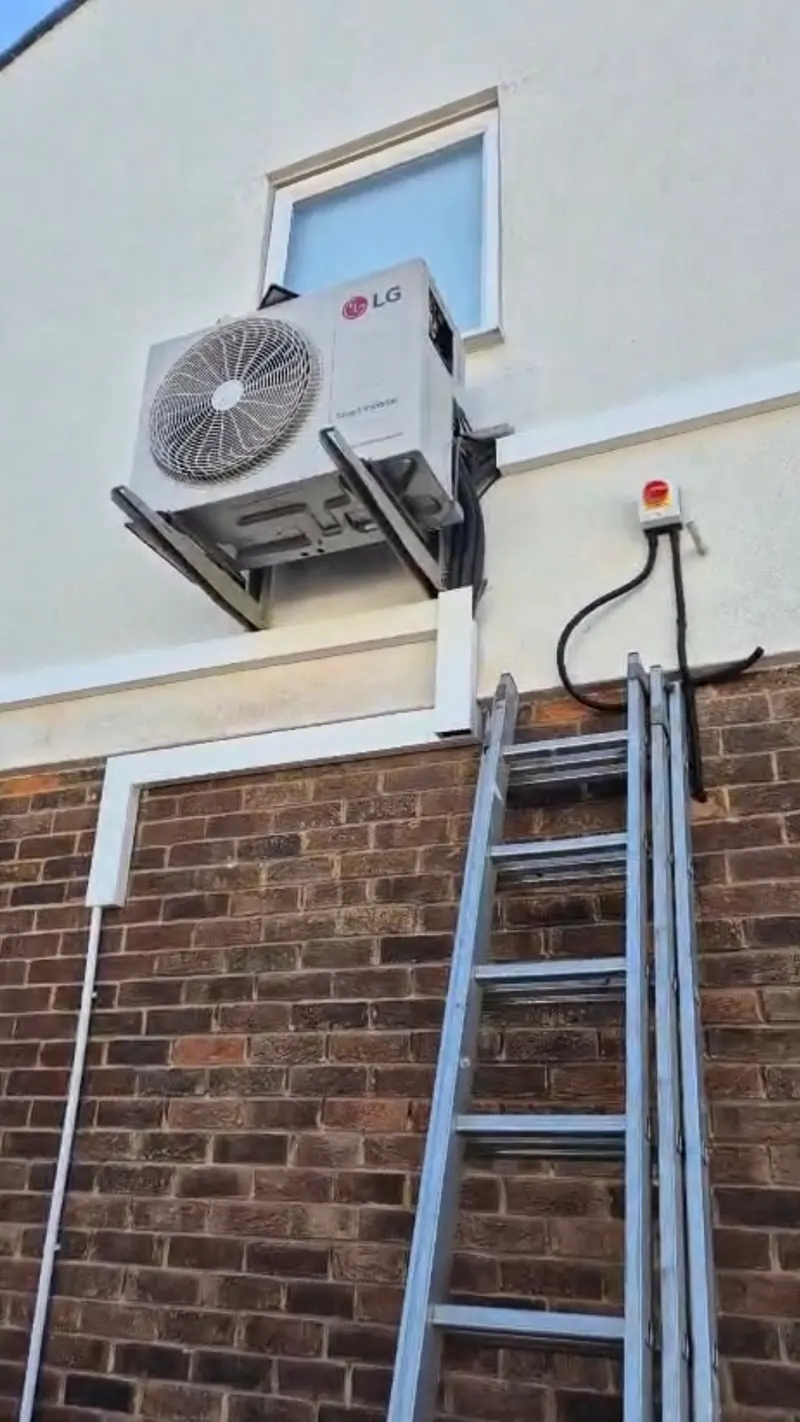
Outdoor unit on wall brackets
Above brick, isolator and cabling run tidy
Air conditioning
Outdoor unit on wall brackets
Above brick, isolator and cabling run tidy
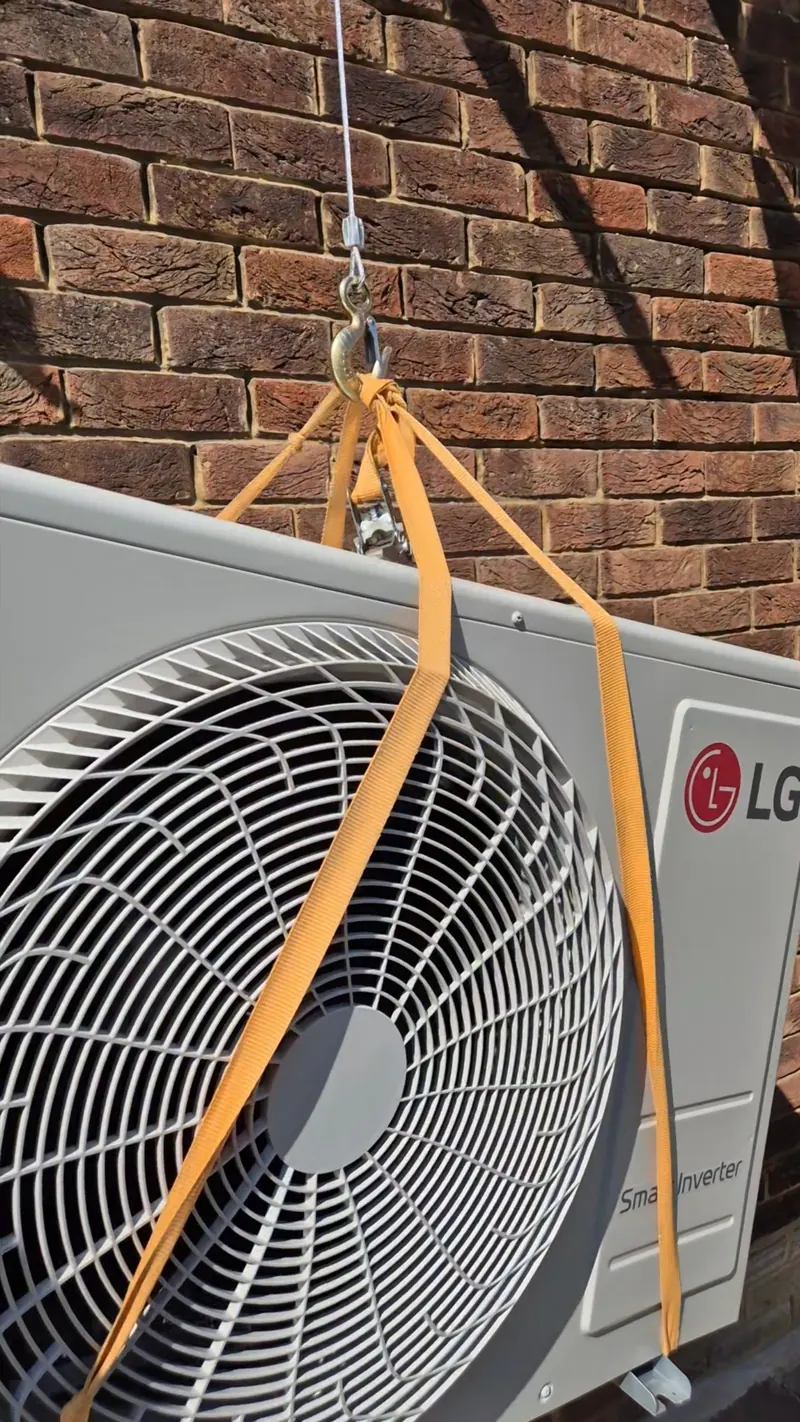 Air conditioning
Condenser going up on straps
Lifted into a wall position, no scaffold
Air conditioning
Condenser going up on straps
Lifted into a wall position, no scaffold
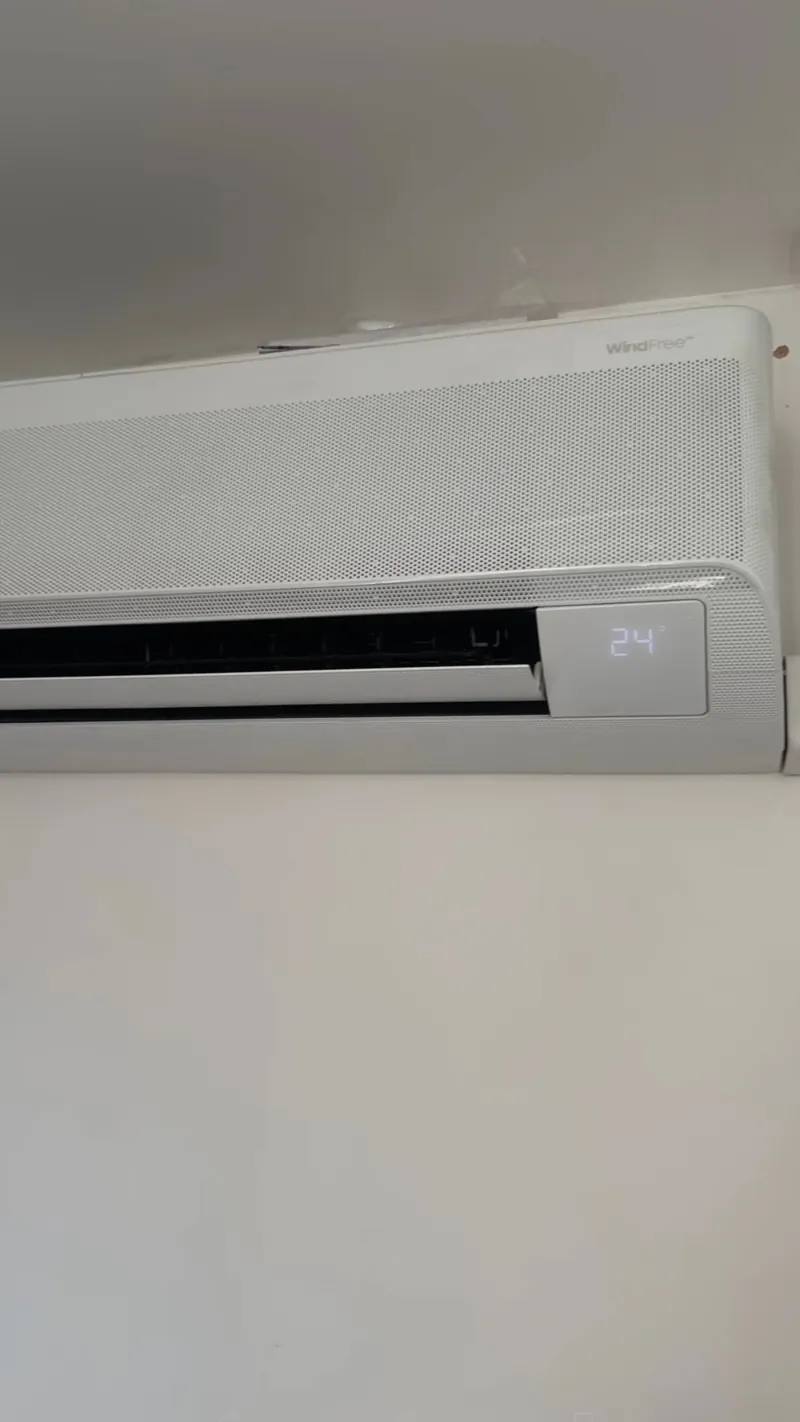 Air conditioning
Wall unit, commissioned
Set to 24 degrees and handed over
Air conditioning
Wall unit, commissioned
Set to 24 degrees and handed over
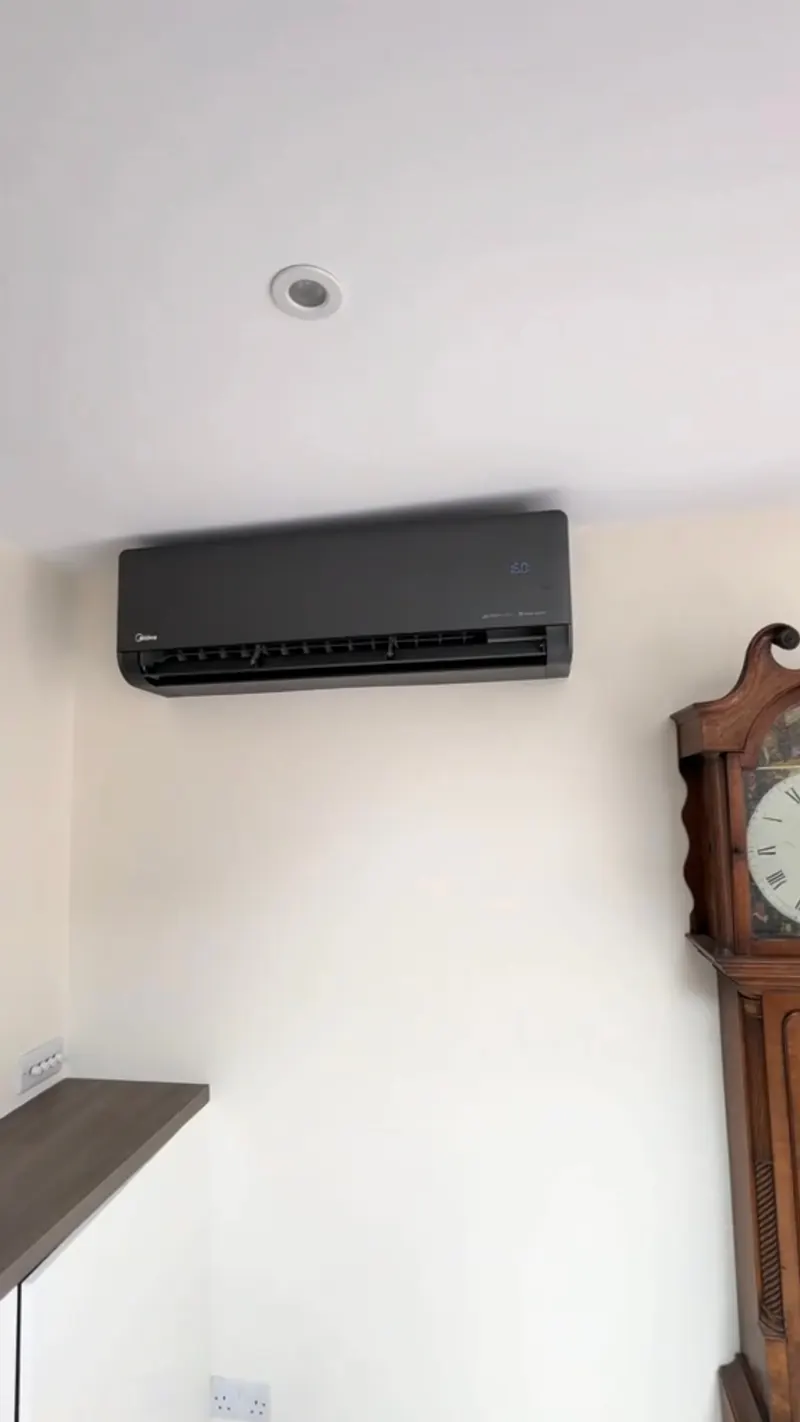 Air conditioning
Black wall unit in a sitting room
Chosen to sit with the room, not against it
Air conditioning
Black wall unit in a sitting room
Chosen to sit with the room, not against it
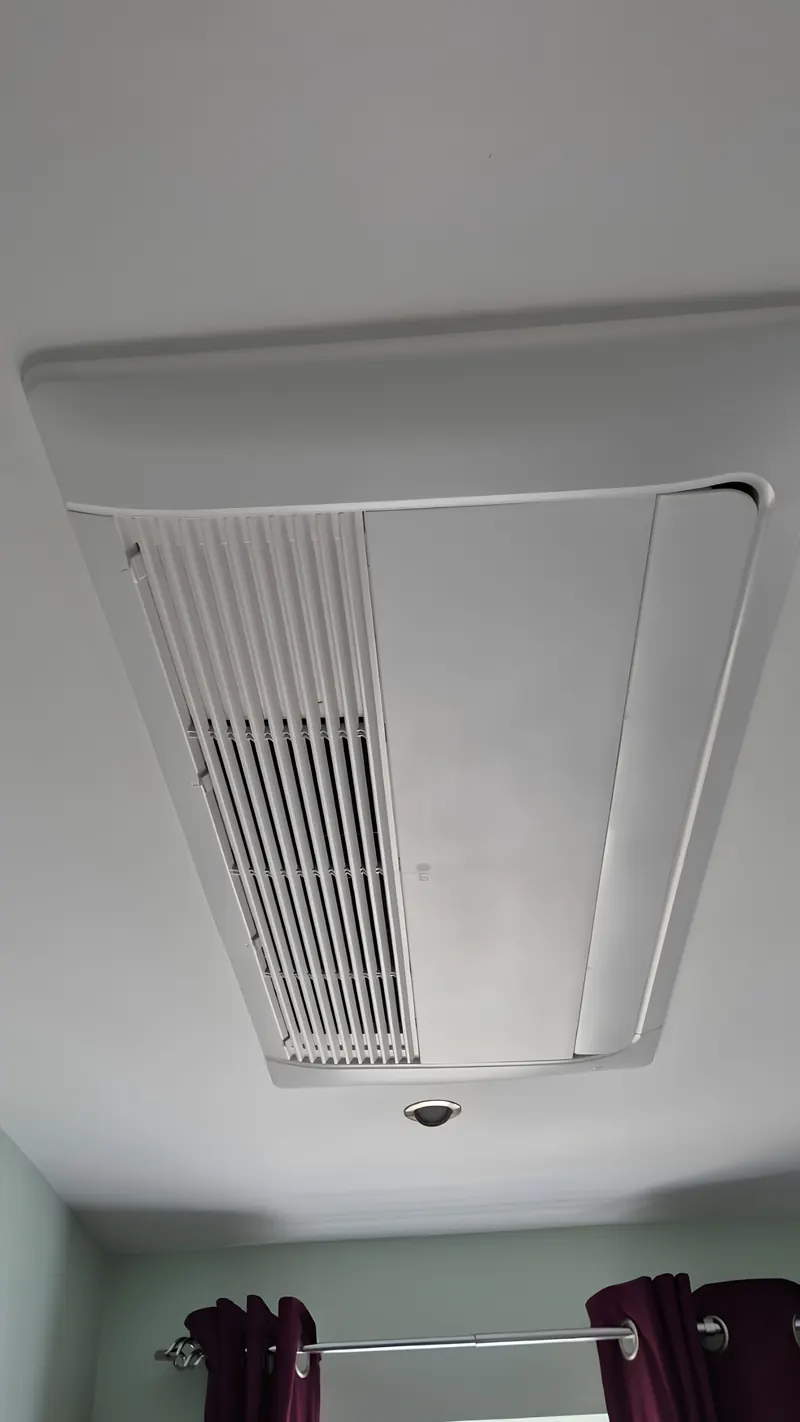 Air conditioning
Ceiling cassette
Recessed flush into the ceiling
Air conditioning
Ceiling cassette
Recessed flush into the ceiling
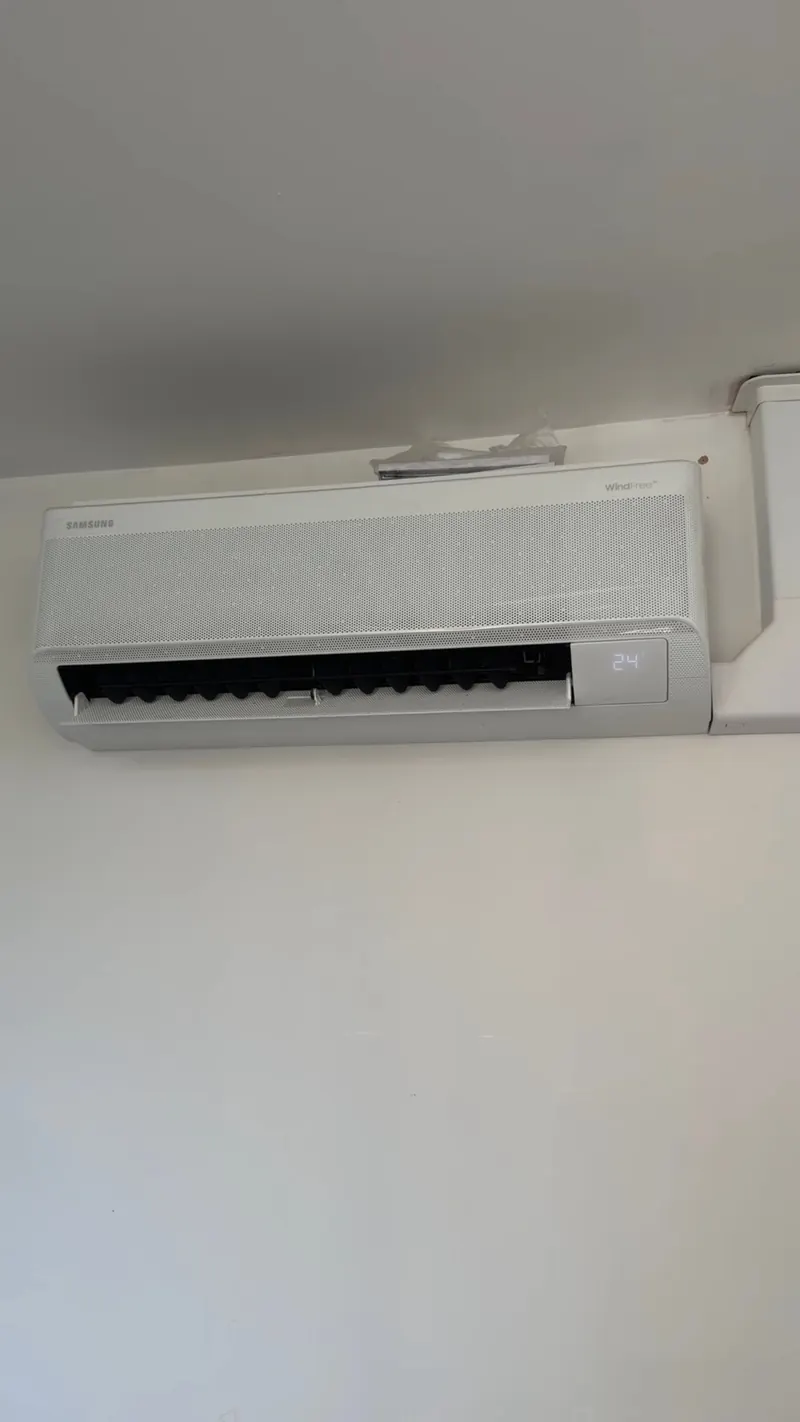 Air conditioning
Samsung Wind-Free
Cooling without a draught on the room
Air conditioning
Samsung Wind-Free
Cooling without a draught on the room
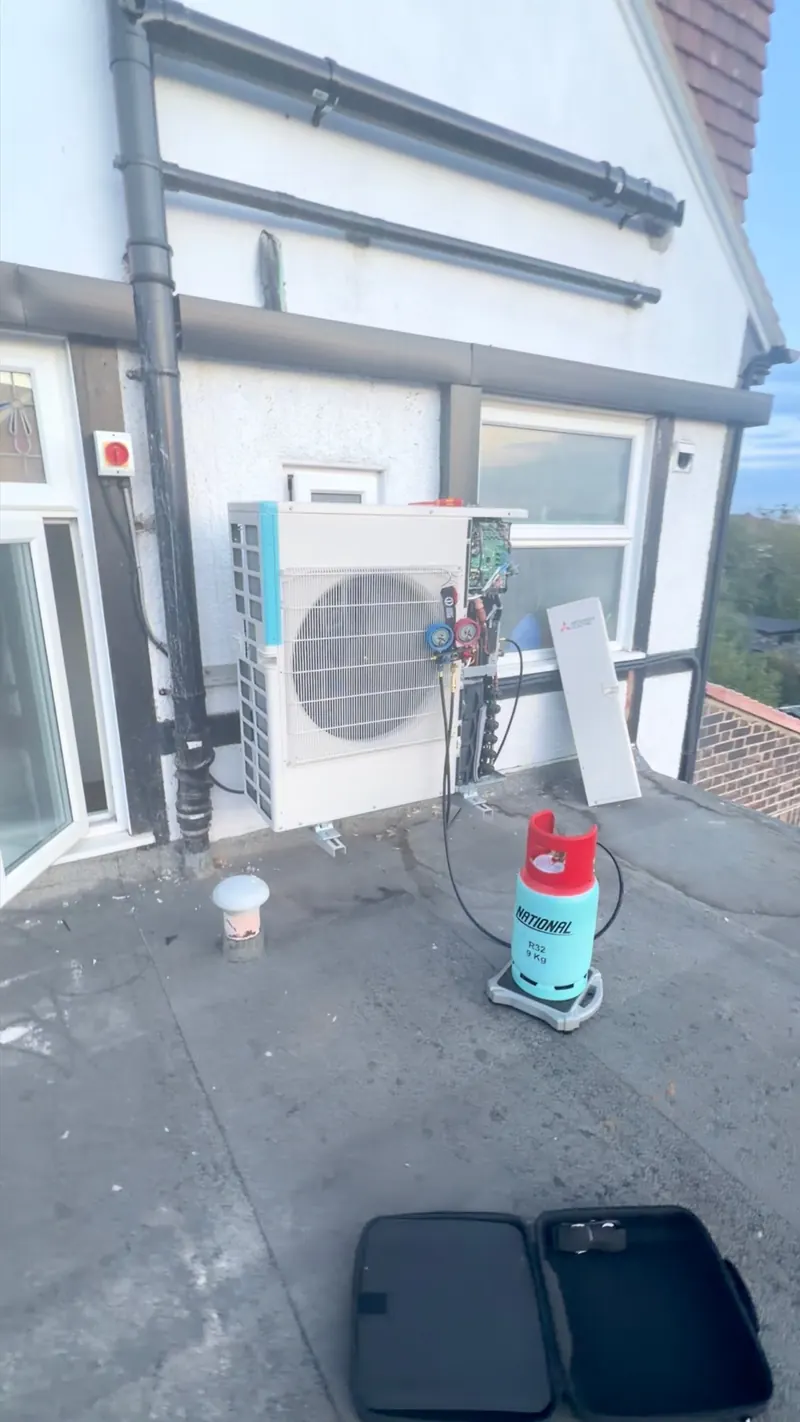 Air conditioning
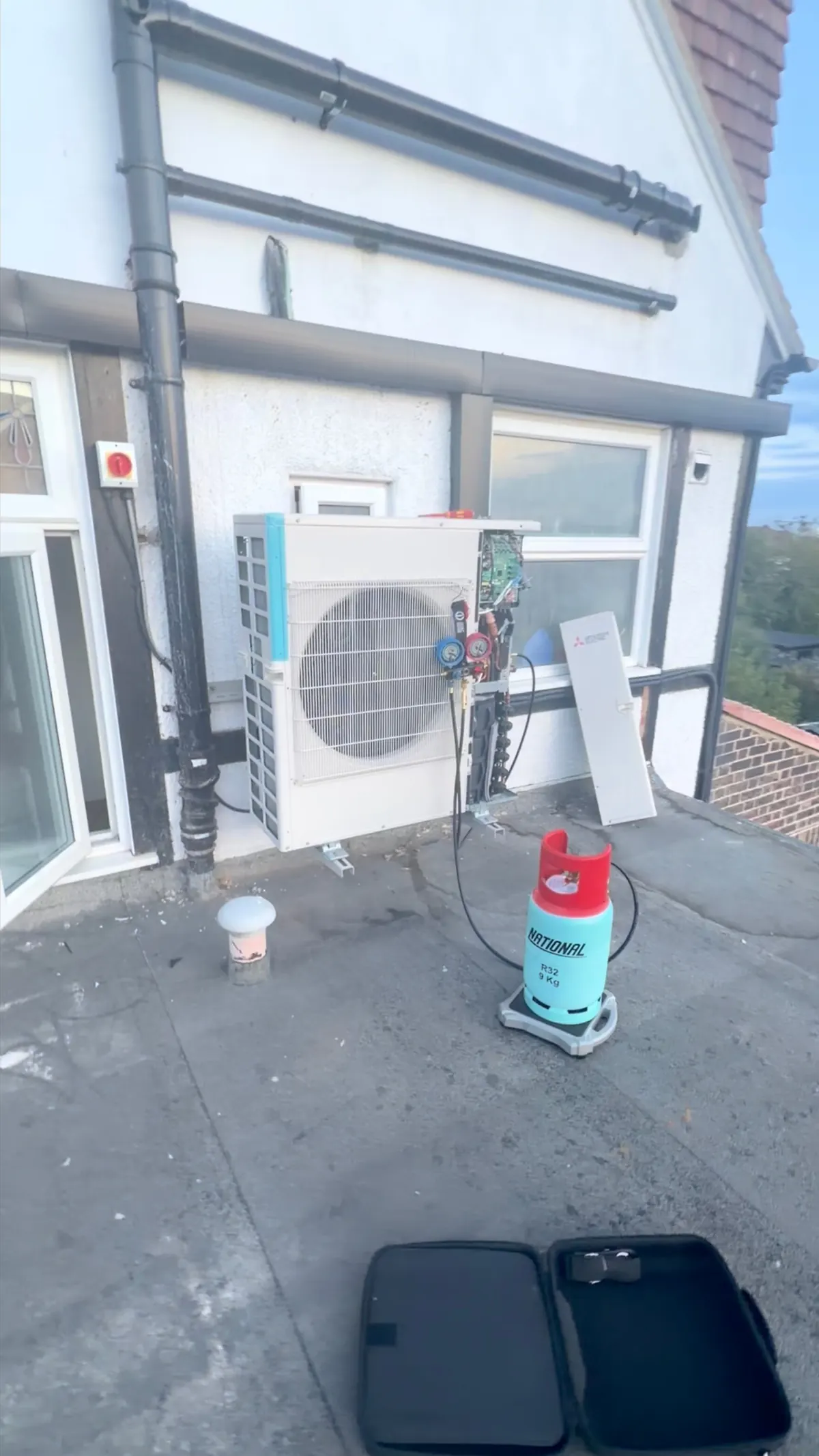
Rooftop commissioning
Pressure tested and charged on gauges
Air conditioning
Rooftop commissioning
Pressure tested and charged on gauges
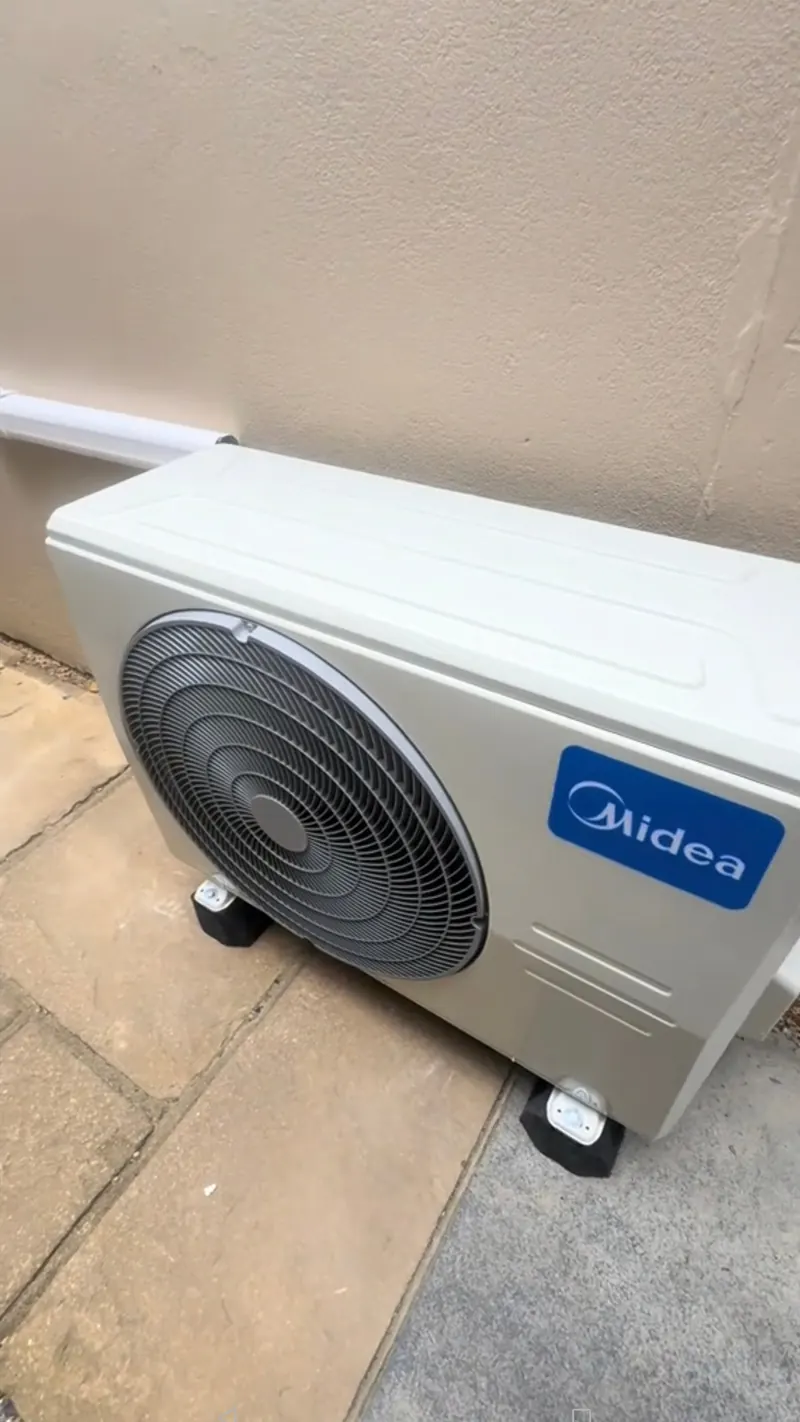 Air conditioning
Outdoor unit at ground level
On paving beside the house, easy to service
Air conditioning
Outdoor unit at ground level
On paving beside the house, easy to service
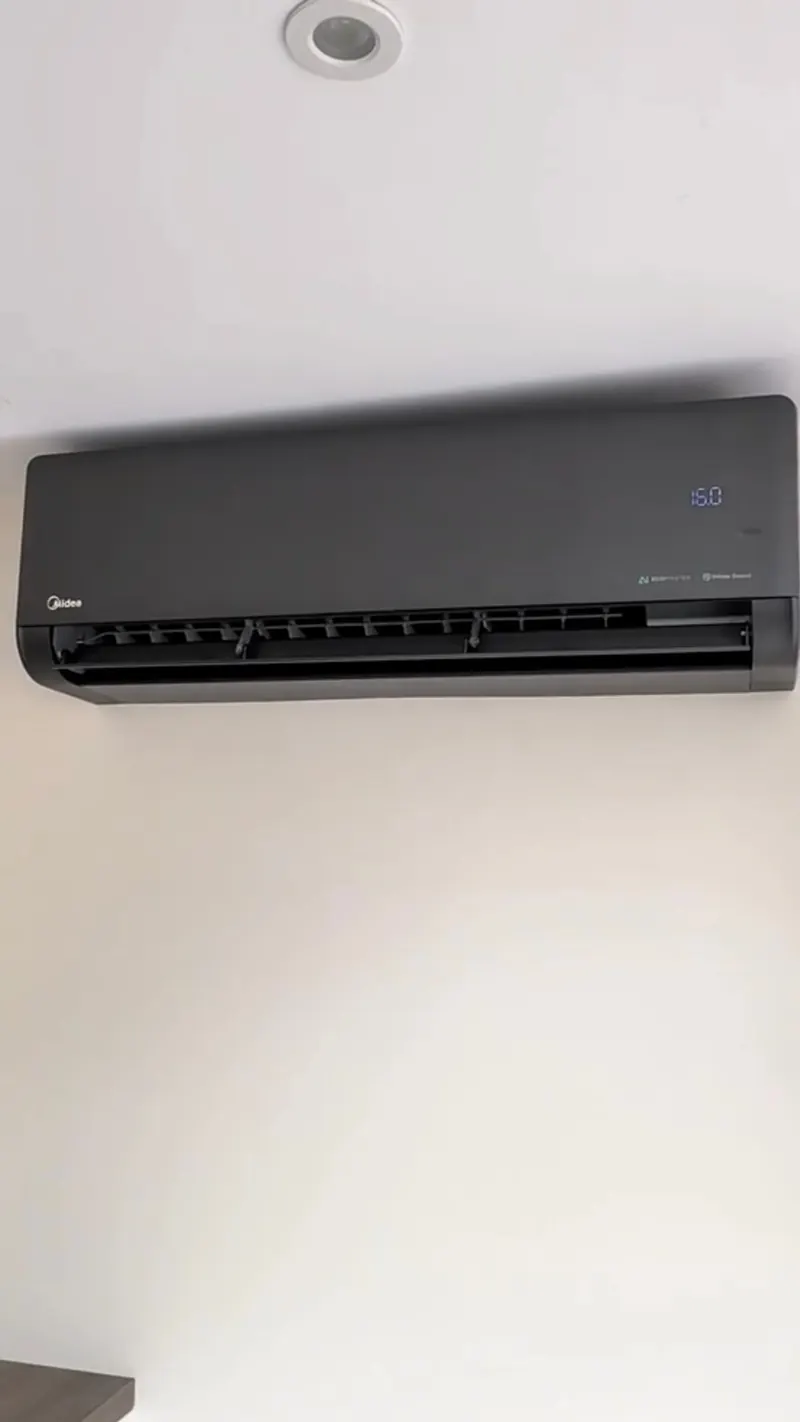 Air conditioning
Black wall unit, running
Quiet enough for a bedroom
Air conditioning
Black wall unit, running
Quiet enough for a bedroom
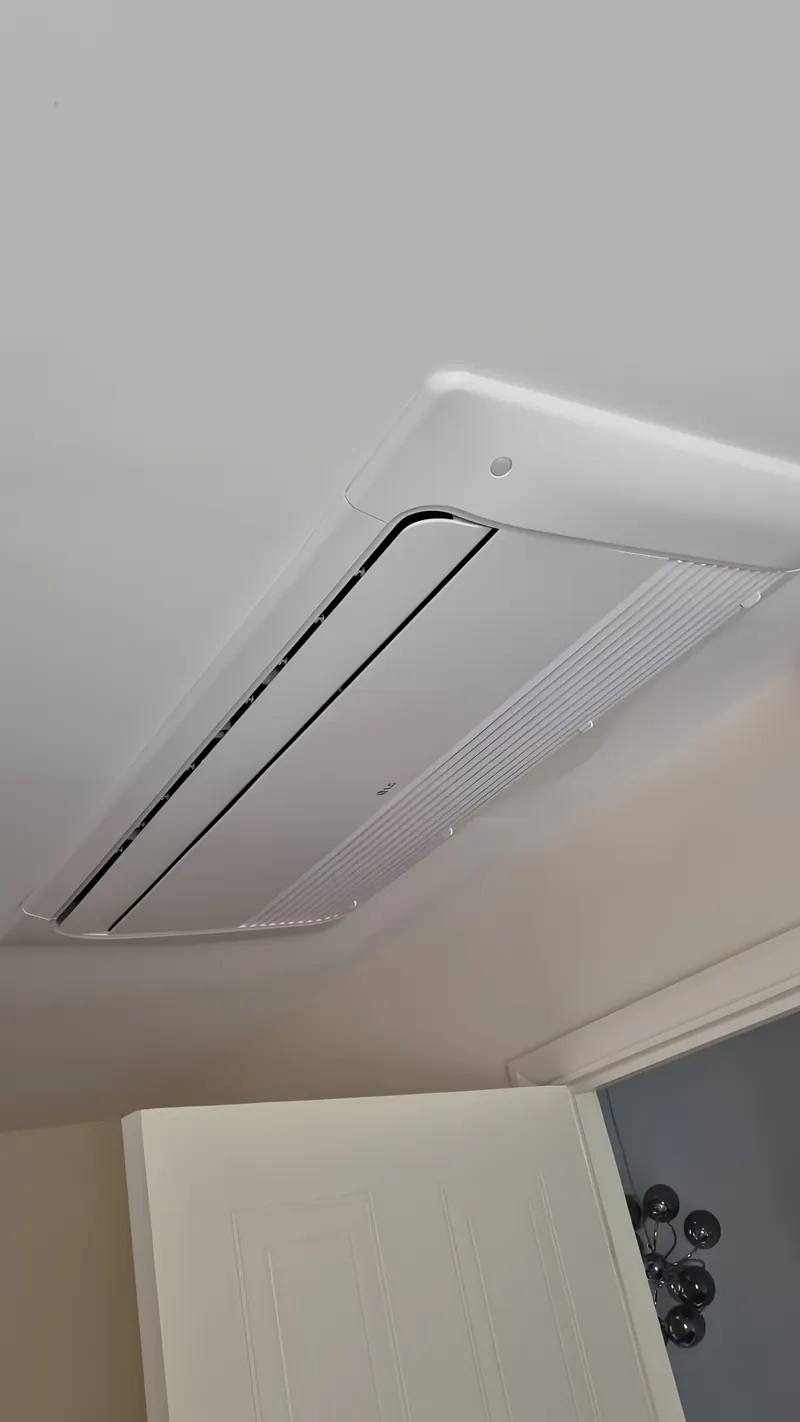 Air conditioning
One-way ceiling cassette
Only the grille shows
Air conditioning
One-way ceiling cassette
Only the grille shows
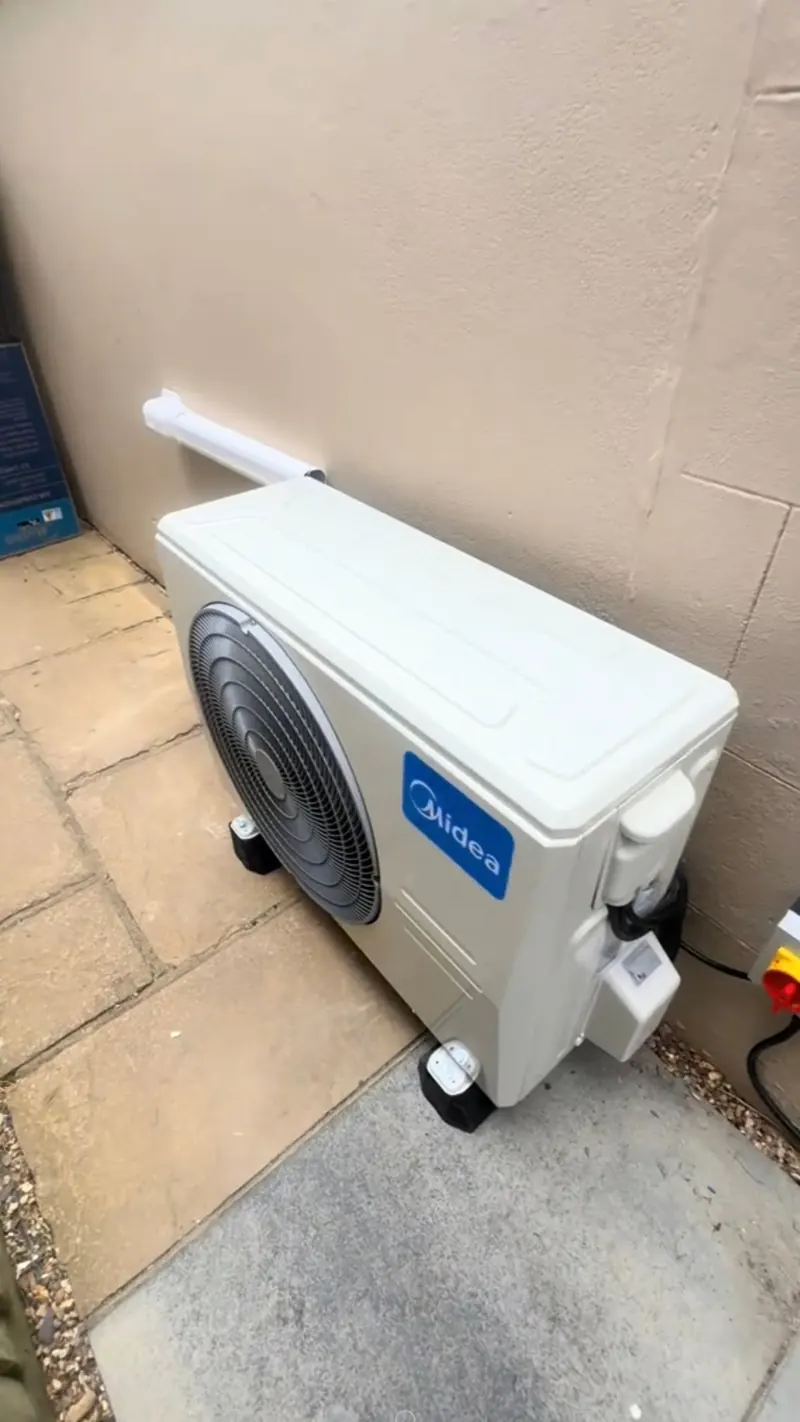 Air conditioning
Outdoor unit on paving
Against render, clear of the boundary
Air conditioning
Outdoor unit on paving
Against render, clear of the boundary
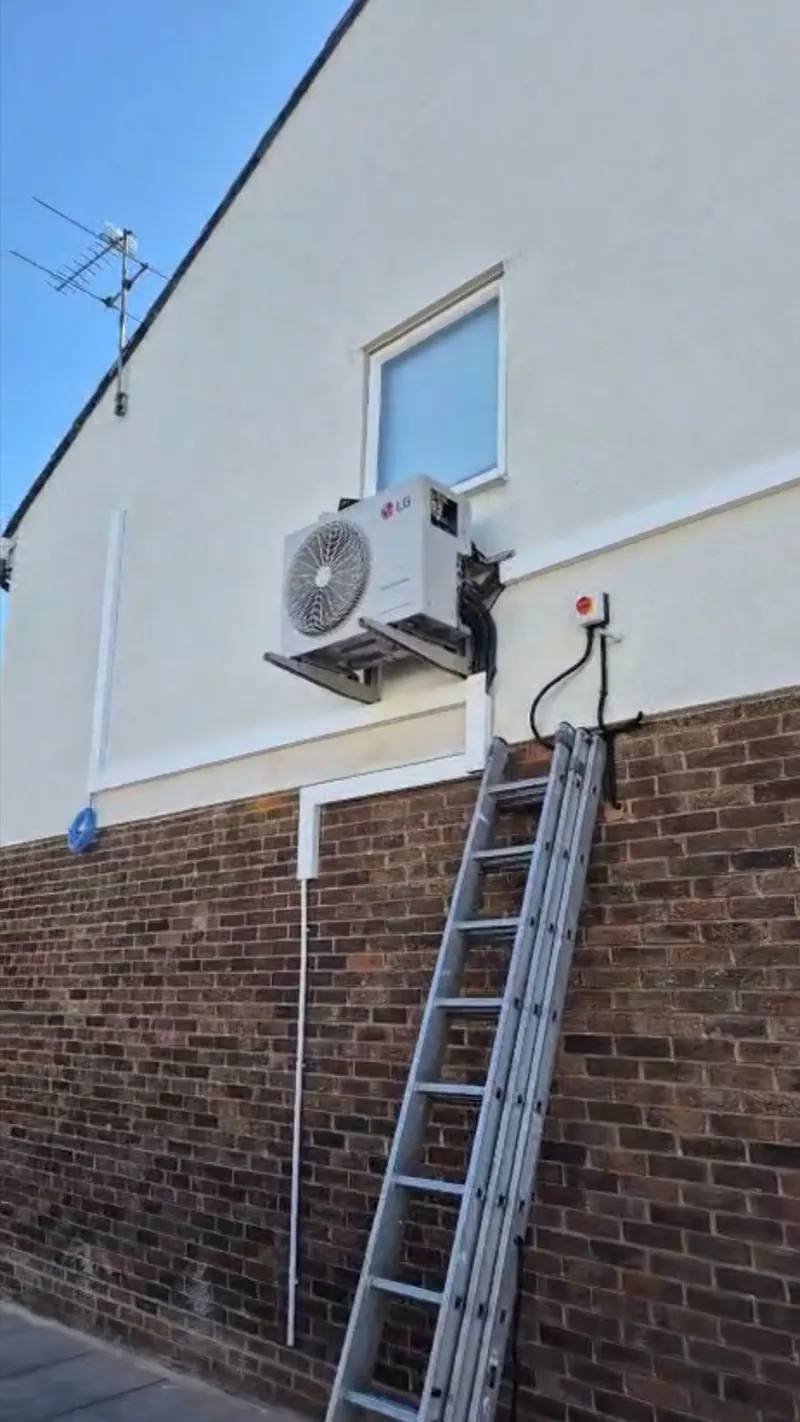 Air conditioning
Condenser high on a wall
On brackets where the ground was not an option
Air conditioning
Condenser high on a wall
On brackets where the ground was not an option
Cooling a restaurant dining room does not cool the kitchen, and a kitchen extract running without make-up air will pull the cooled dining air straight through the pass. The two have to be designed together. On our rates a dining room on two to four units is 4,300 to 11,300 pounds, before cassettes and out-of-hours work.
This is the sector where a cheap quote most reliably becomes an expensive year, and the reason is almost always air balance rather than equipment.
Your estimate
£2,400to£3,200
Supplied, fitted, commissioned and certificated. Includes VAT.
Send this on WhatsAppPrice it for restaurants and cafés
Commercial work is priced on the number of indoor units and what kind they are, the same as anywhere else. The heat load calculation at the survey is what turns this into one number.
Last step: what number should we call with your fixed price?
Every figure on this site is an estimate built from the quotations we issued in 2026 and our own installation experience. It is not a quotation. The price you are given after the free survey is the price you pay.
Commercial work in three steps
-
Survey and heat load
People, lighting, equipment and glazing, counted room by room.
-
A drawing and a fixed price
Plant, installation, electrics and builders work quoted separately.
-
Installed around you
A programme with the out-of-hours windows agreed before anyone starts.
Read the full guide: 6 sections, about 3 minutes
Why the kitchen changes everything
| Source | What it contributes | Why it matters |
|---|---|---|
| Kitchen extract | Pulls a large volume of air out of the building continuously | That air comes from somewhere. Usually the dining room |
| Make-up air | Air deliberately supplied to replace what the extract removes | Missing on a huge number of small London kitchens |
| Negative pressure | The result of extract without make-up | Doors pull shut, the extract underperforms, and the cooling bill climbs |
| Latent load | Steam and moisture from cooking and from customers | A system sized on temperature alone leaves the room clammy |
| Grease | Coats coils and filters far faster than in any other sector | Service intervals are shorter here, and it is not optional |
Make-up air, and the reason cheap installations fail
A commercial kitchen canopy moves a serious volume of air. If nothing is supplying an equivalent volume back into the building, the building goes negative, and the replacement air is pulled through whatever gaps exist: the front door, the letterbox, and the opening between kitchen and dining room.
Two things follow. The dining room's cooled air is continuously being dragged into the kitchen and thrown outside, so the cooling never keeps up and the running cost is far higher than the design suggested. And the extract itself underperforms, because a fan cannot move air the building will not give it, so the kitchen stays hot and smoky.
The fix is a make-up air supply designed alongside the extract. It is not glamorous and it is the difference between a dining room that holds 23 degrees in August and one that never does.
The dining room, and what customers actually notice
Draught, more than temperature. A cassette discharging directly down onto a table produces complaints at a temperature that would be perfectly comfortable elsewhere in the room, and it is the commonest reason a table gets refused.
So the layout of the indoor units follows the seating plan rather than the ceiling grid. Discharge along the walls and down the circulation routes, not onto the covers. Where the seating plan is not fixed, four-way cassettes with individually closable vanes give somewhere to go later.
Humidity is the other half. A room held at 22 degrees and 70 percent relative humidity feels worse than the same room at 24 and 50, which is why sizing on sensible heat alone produces a dining room that is cold and still uncomfortable.
Servicing, which in this sector is not optional
Grease and cooking aerosols reach the indoor units even in a well-separated layout, and they coat the coil and the filters far faster than dust does. A coated coil loses capacity, then ices, then drips into the dining room.
In practice most hospitality systems need servicing twice a year rather than once, and the units nearest the pass more often than that. It is on the maintenance contract as a genuine engineering requirement rather than as an upsell.
What restaurant cooling costs
Quoted from a heat load calculation, an air balance and a drawing. The indicative figures below are the site's standard model for the number of indoor units plus the cassette uplift; anything involving extract or make-up air is quoted from the design.
| Scope | Usual system | Indicative price |
|---|---|---|
| Small café dining area | 1 to 2 cassettes | £2,900 to £7,600 |
| Restaurant dining room | 3 or more cassettes, zoned | £7,900 to £14,900 |
| Kitchen extract and make-up air | Designed with the cooling | From the design |
| Cellar or store cooling | Dedicated unit, runs all year | £2,400 to £3,500 |
| Maintenance, twice yearly per unit | Standard contract | From £95 plus VAT per visit |
Every figure on this site is an estimate built from the quotations we issued in 2026 and our own installation experience. It is not a quotation. The price you are given after the free survey is the price you pay.
Other commercial work
Salons
A salon has two things almost no other small premises has: several kilowatts of hot air aimed deliberately at the room, and clients who sit perfectly still for two hours.
SalonsServer and comms rooms
A comms room is the one space in a building where the cooling has to work at three in the morning in February.
Server and comms roomsGyms and studios
A gym is the only premises we work in where the customers are deliberately generating as much heat and moisture as they can.
Gyms and studiosAll commercial work
How commercial jobs are priced, the F-Gas and TM44 duties, and maintenance contracts.
CommercialRestaurants and cafés: common questions
Will air conditioning cool the kitchen too?
No, and anyone who says it will is selling you the wrong thing. A commercial kitchen is a ventilation problem before it is a cooling problem: the canopy and the make-up air do the work, and comfort cooling in a kitchen is added afterwards if at all.
What good dining room cooling does do for the kitchen is stop the two spaces fighting each other, which is worth more than it sounds.
Why is our dining room still hot when the system is running flat out?
Most often because the kitchen extract is pulling the cooled air out through the pass, and there is no make-up air supply replacing it. The cooling is working; the air is leaving.
The tell is a front door that is hard to pull open, or that slams, and an extract that was better when the building was emptier. Both are signs of negative pressure.
How often does it need servicing in a restaurant?
Twice a year for most, and more often for units near the pass. Cooking aerosols coat the coil far faster than ordinary dust, and a coated coil loses output, then ices up, then drips.
It is also the sector where a service most reliably pays for itself, because a restaurant that loses its cooling on a hot Saturday loses covers, not just comfort.
Can you fit it without closing?
Usually, yes. Most hospitality installations happen overnight or on a closed day, and we agree the programme before starting. The out-of-hours premium is a visible line on the quote rather than something buried in the rate.
Free survey and heat load calculation
Free on jobs over 5,000 pounds. You get a design drawing, a fixed price split into plant, installation, electrics and builders work, and a programme with the out-of-hours windows agreed before anyone starts.
Monday to Friday 9am to 7pm, Saturday 10am to 3pm, Sunday closed
Page updated