A noisy
air conditioning unit
A noisy air conditioning unit can almost always be made quiet. We find what the noise is and fix it, any make.
- 89 pounds plus VAT to diagnose, waived if we do the repair
- Any make and any age, including other installers' systems
- We will tell you when a repair is not worth doing
Prefer to talk? 020 3393 1331
Accredited, and fitting the brands you know











Air conditioning we have fitted
Our own jobs, photographed on site. Real rooms, real outdoor positions, nothing from a catalogue.
 Air conditioning
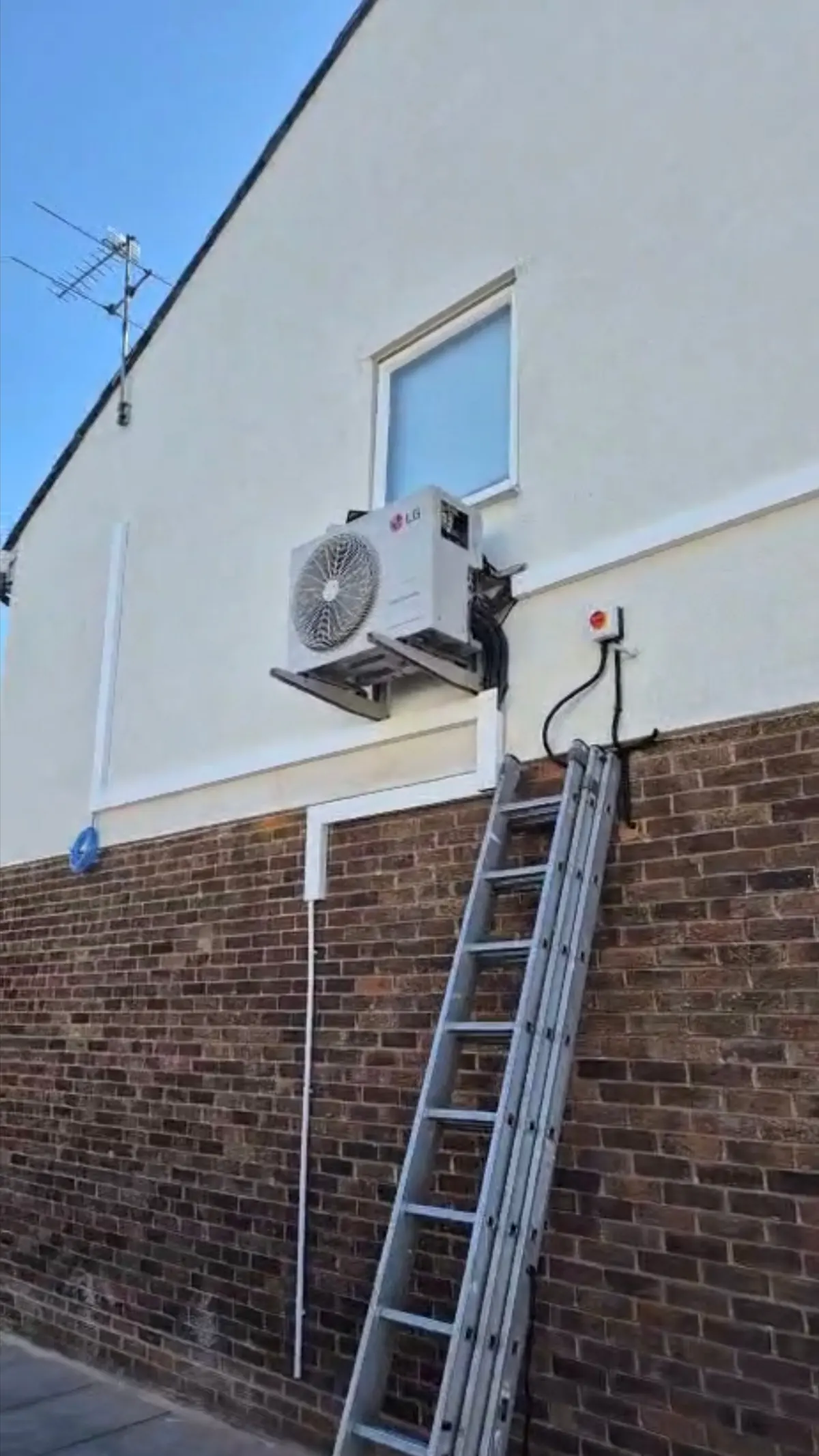
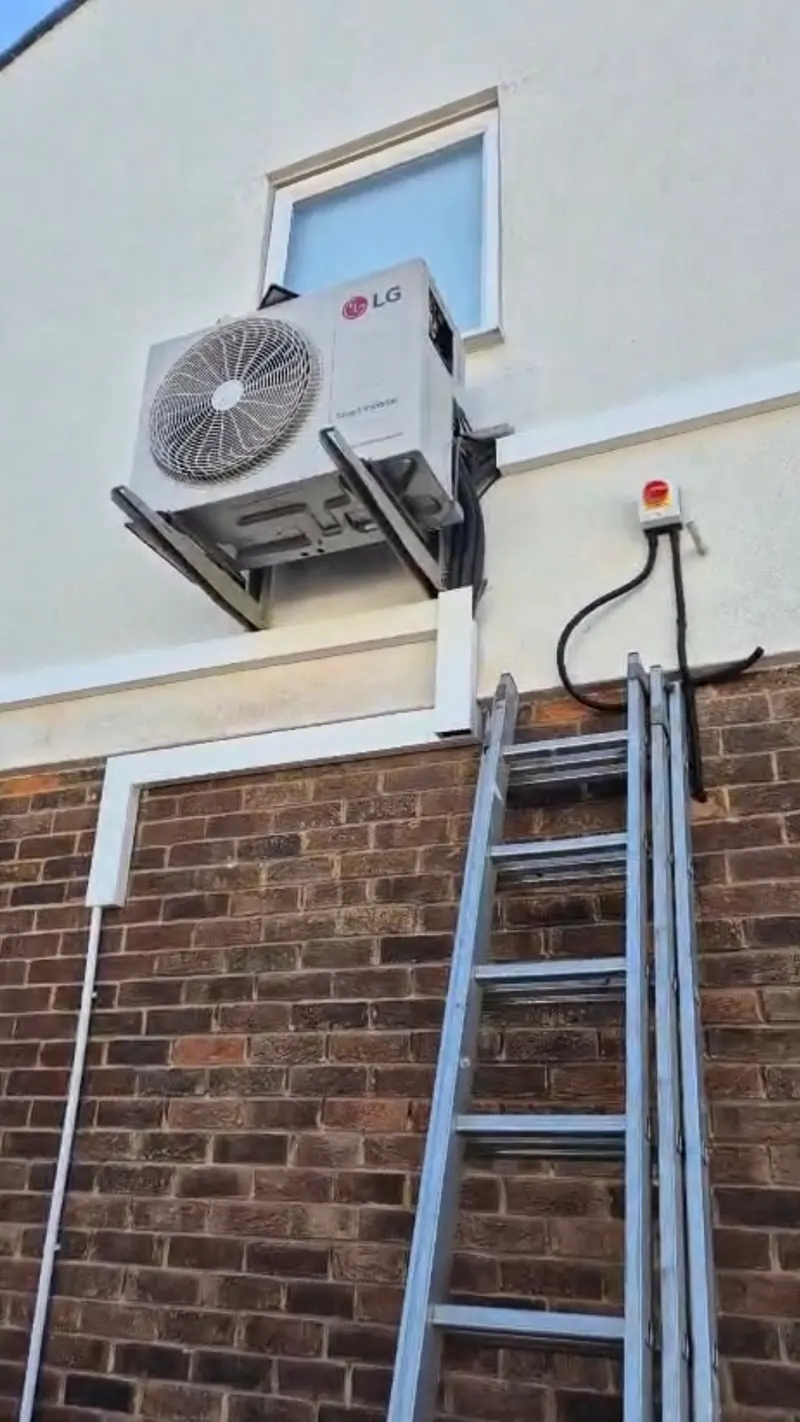
Outdoor unit on wall brackets
Above brick, isolator and cabling run tidy
Air conditioning
Outdoor unit on wall brackets
Above brick, isolator and cabling run tidy
 Air conditioning
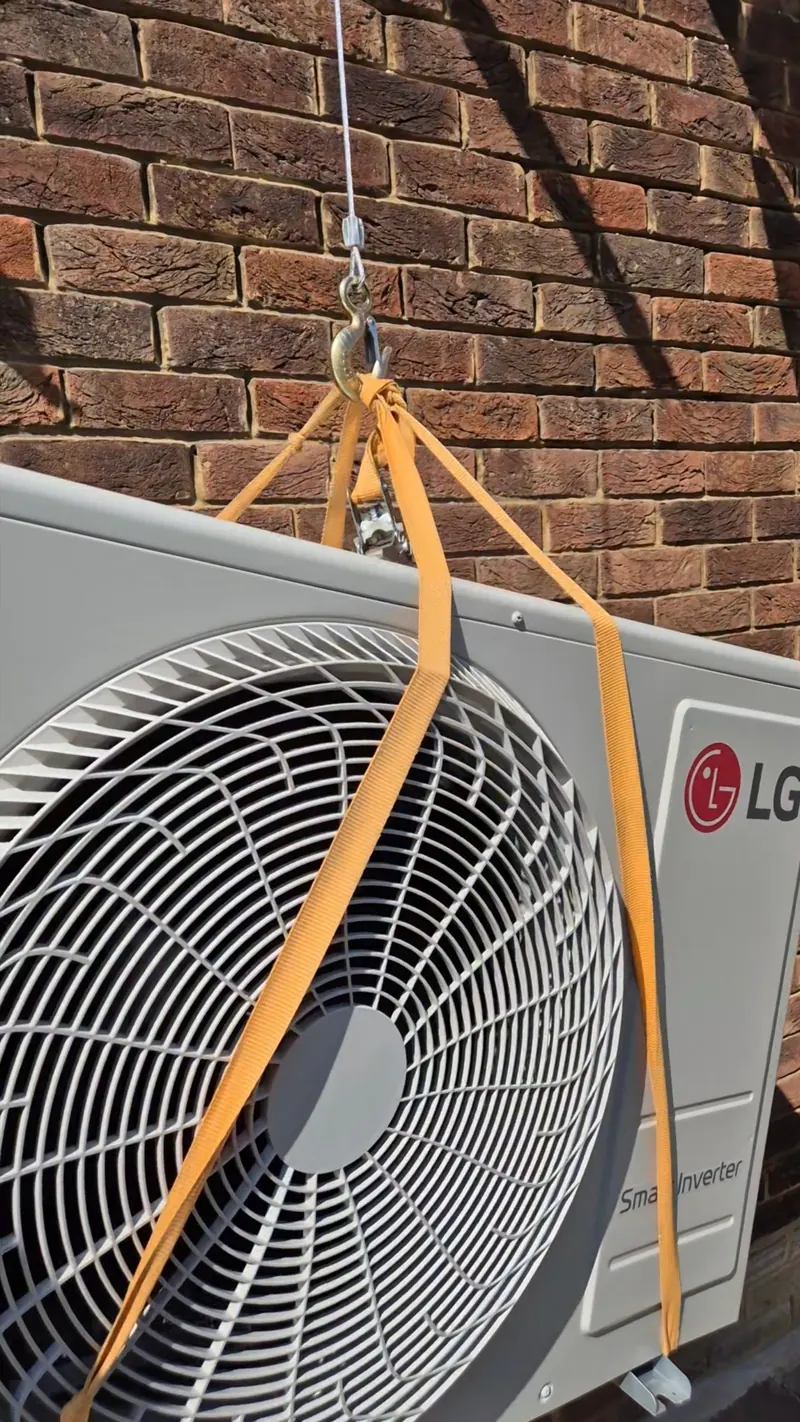
Condenser going up on straps
Lifted into a wall position, no scaffold
Air conditioning
Condenser going up on straps
Lifted into a wall position, no scaffold
 Air conditioning
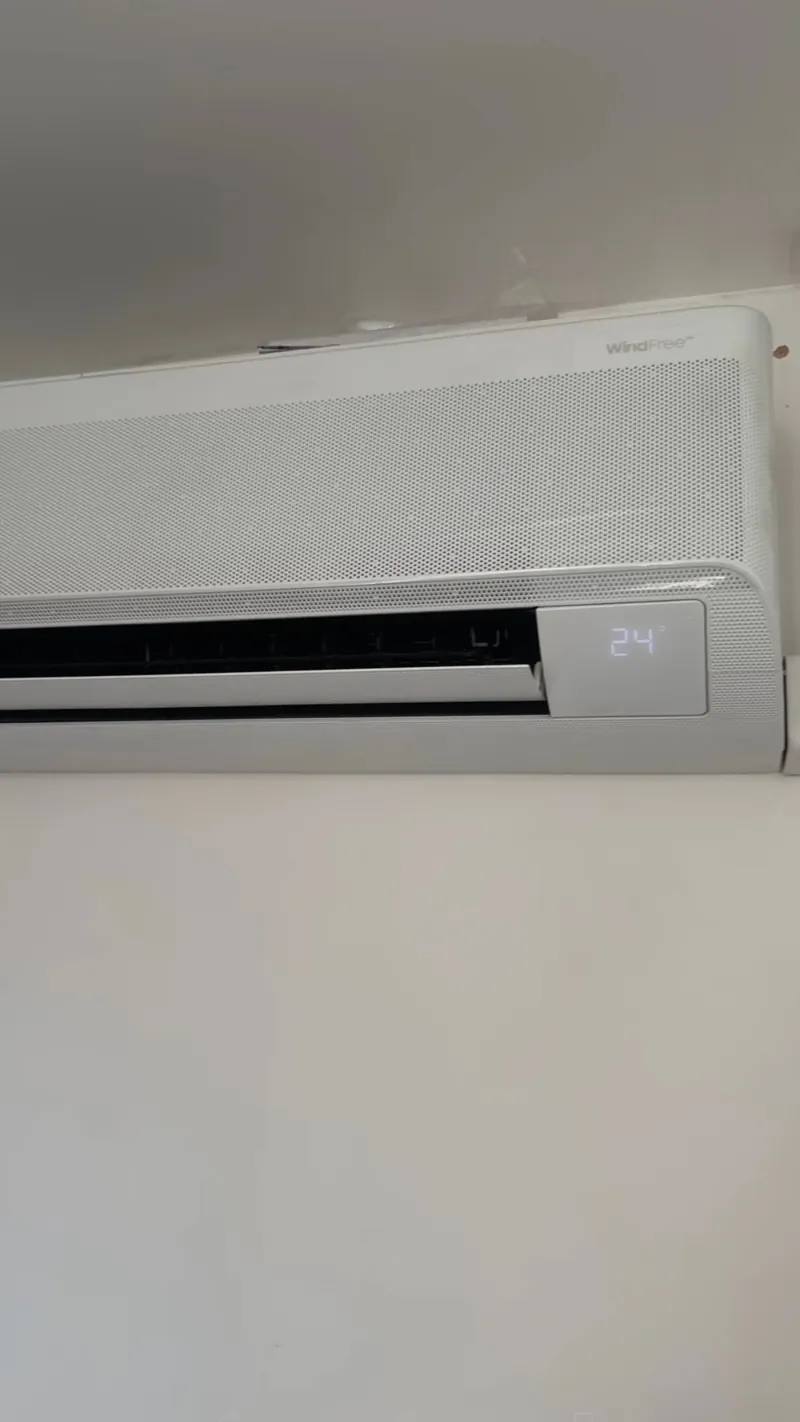
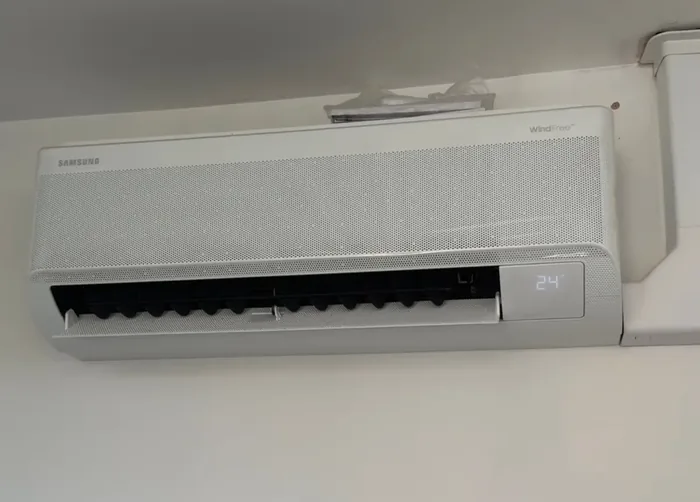
Wall unit, commissioned
Set to 24 degrees and handed over
Air conditioning
Wall unit, commissioned
Set to 24 degrees and handed over
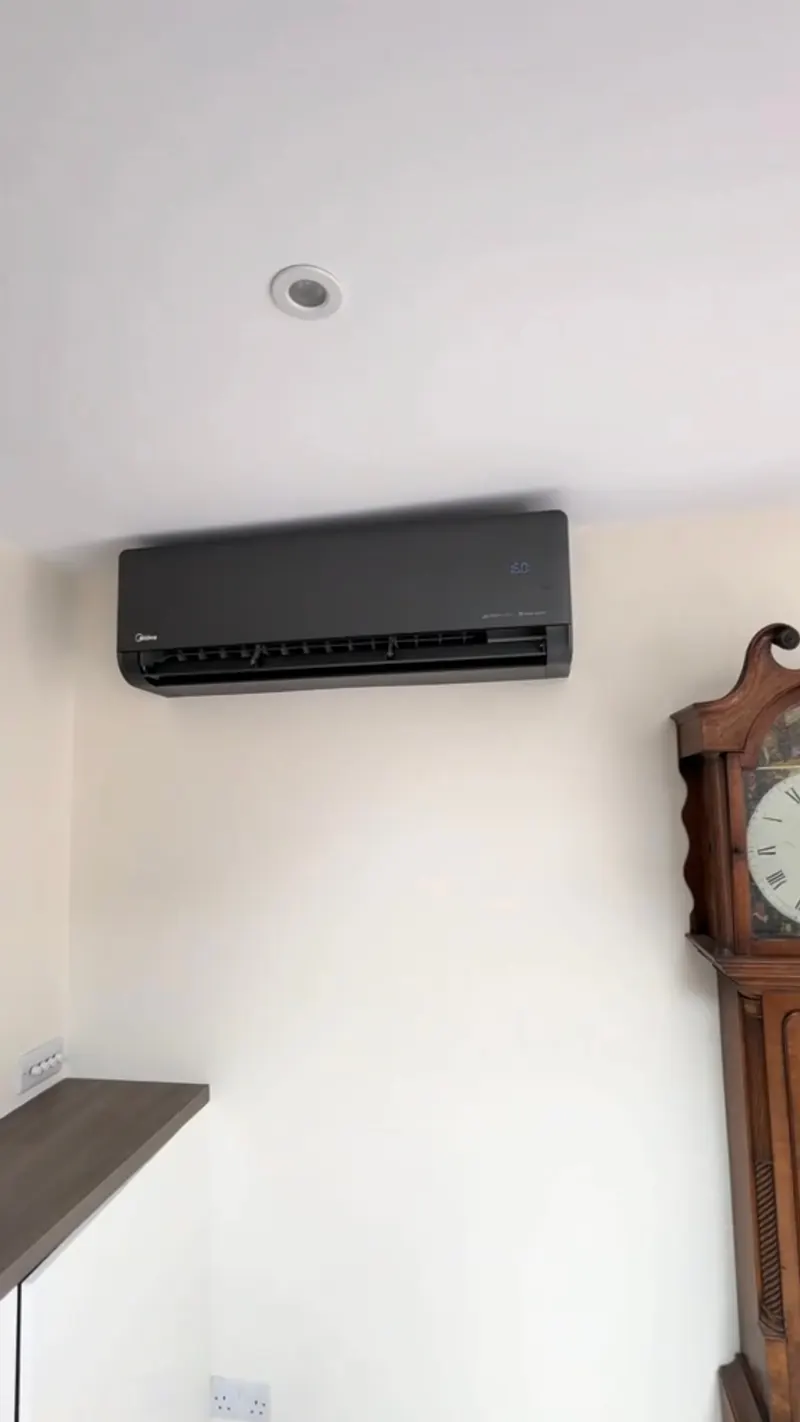 Air conditioning
Black wall unit in a sitting room
Chosen to sit with the room, not against it
Air conditioning
Black wall unit in a sitting room
Chosen to sit with the room, not against it
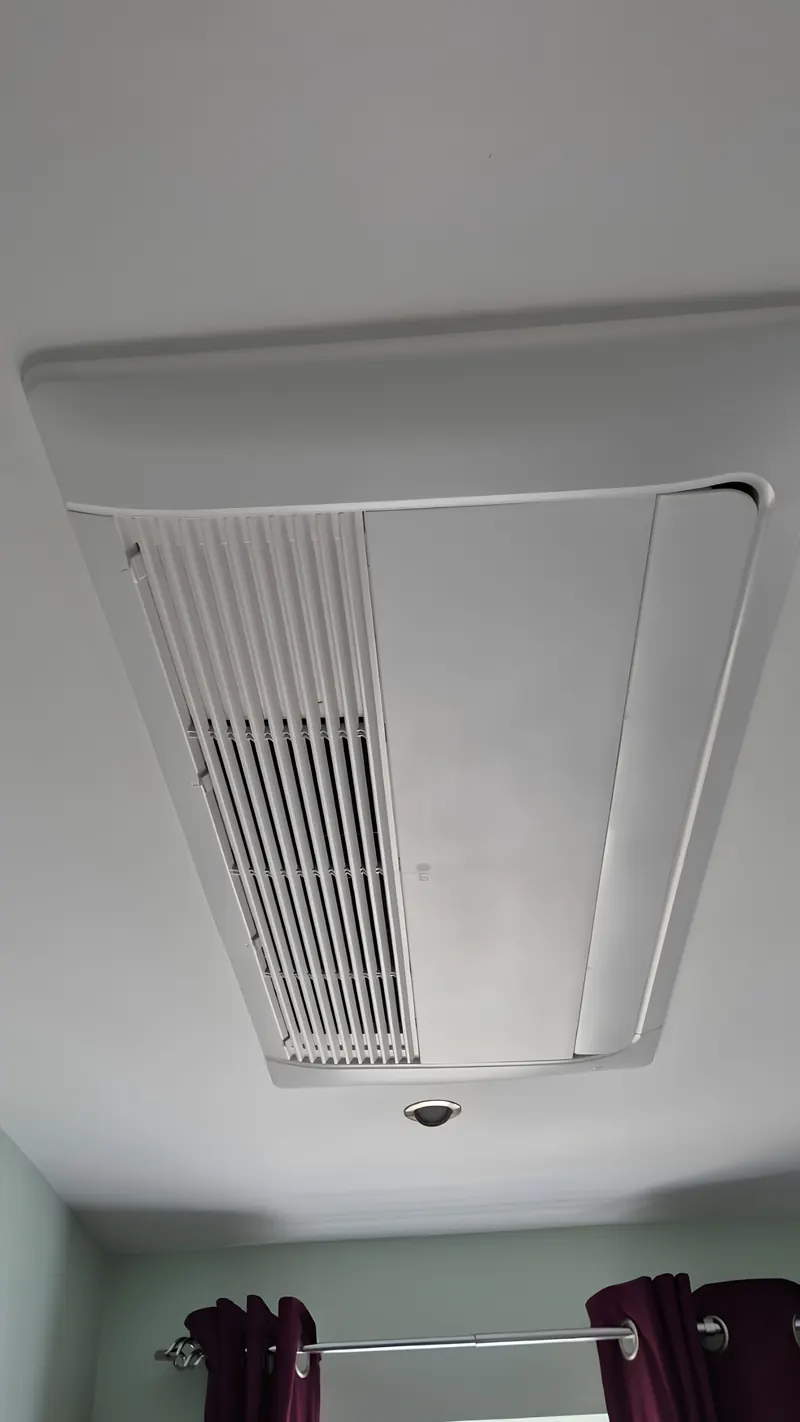 Air conditioning
Ceiling cassette
Recessed flush into the ceiling
Air conditioning
Ceiling cassette
Recessed flush into the ceiling
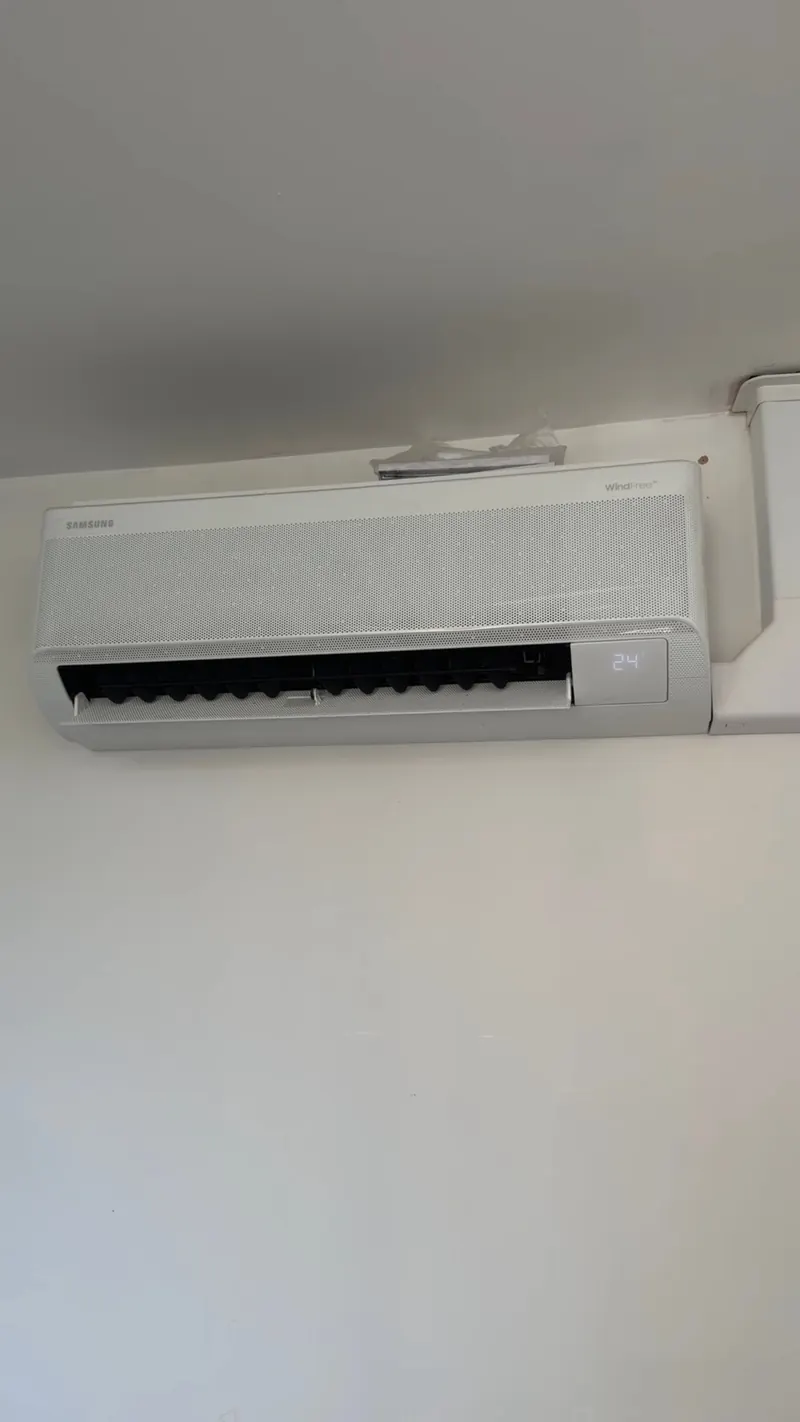 Air conditioning
Samsung Wind-Free
Cooling without a draught on the room
Air conditioning
Samsung Wind-Free
Cooling without a draught on the room
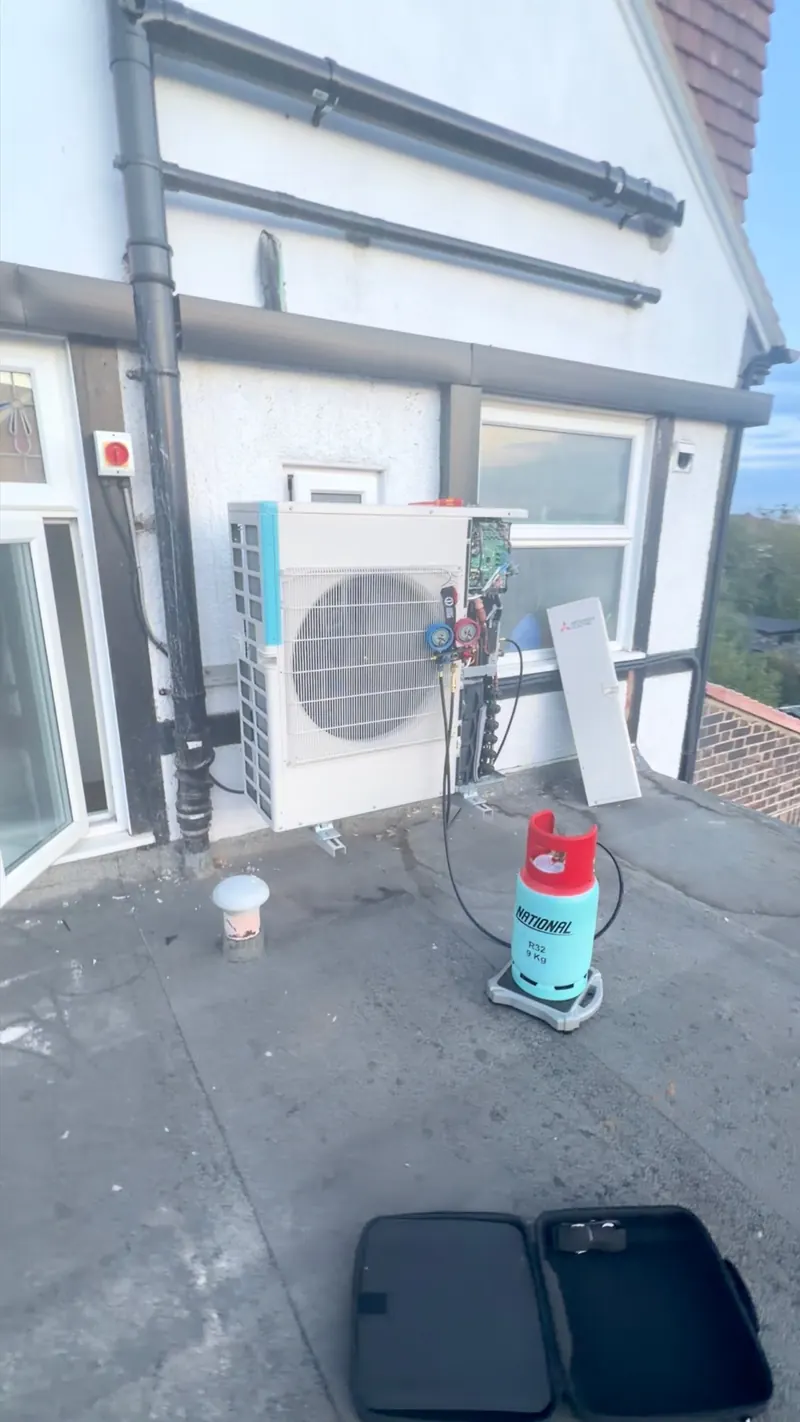 Air conditioning
Rooftop commissioning
Pressure tested and charged on gauges
Air conditioning
Rooftop commissioning
Pressure tested and charged on gauges
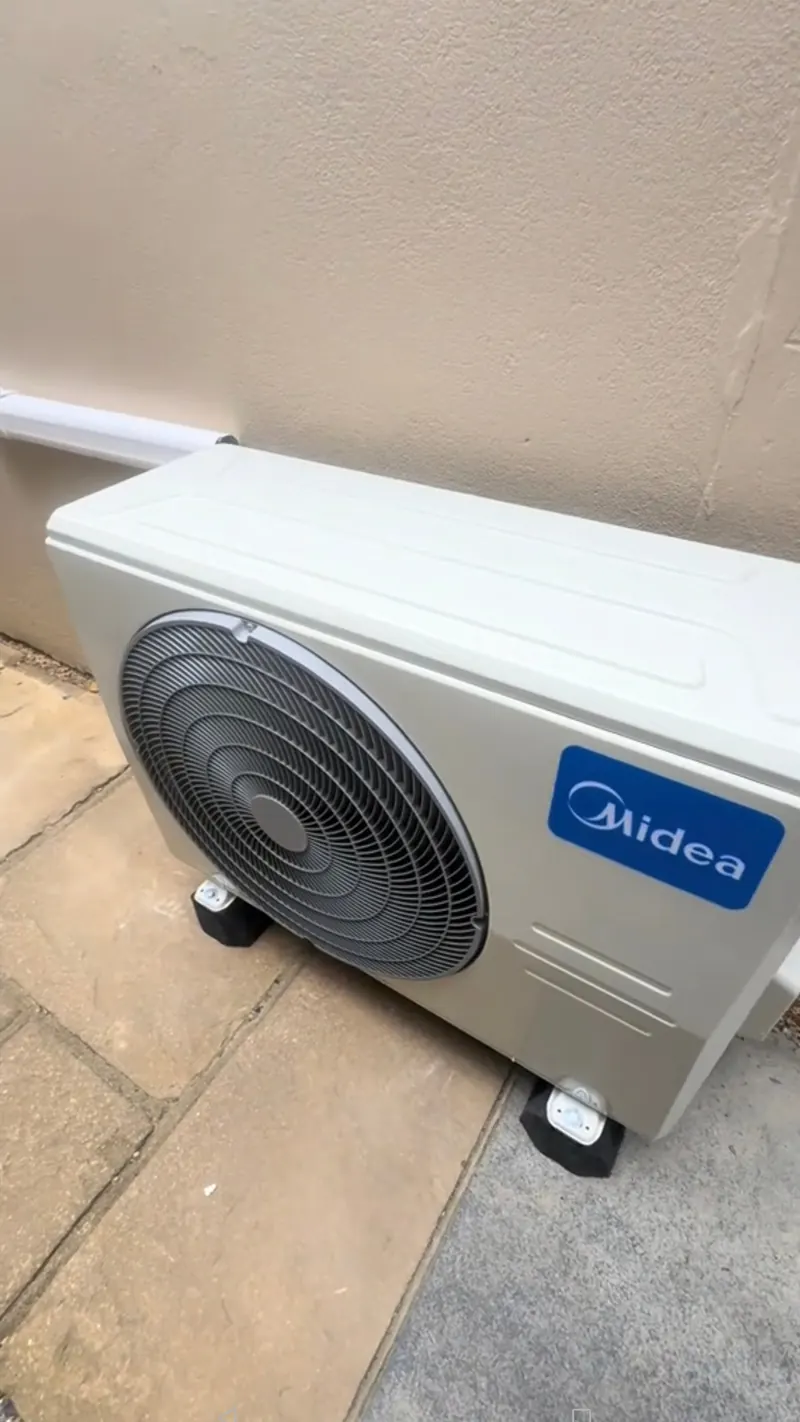 Air conditioning
Outdoor unit at ground level
On paving beside the house, easy to service
Air conditioning
Outdoor unit at ground level
On paving beside the house, easy to service
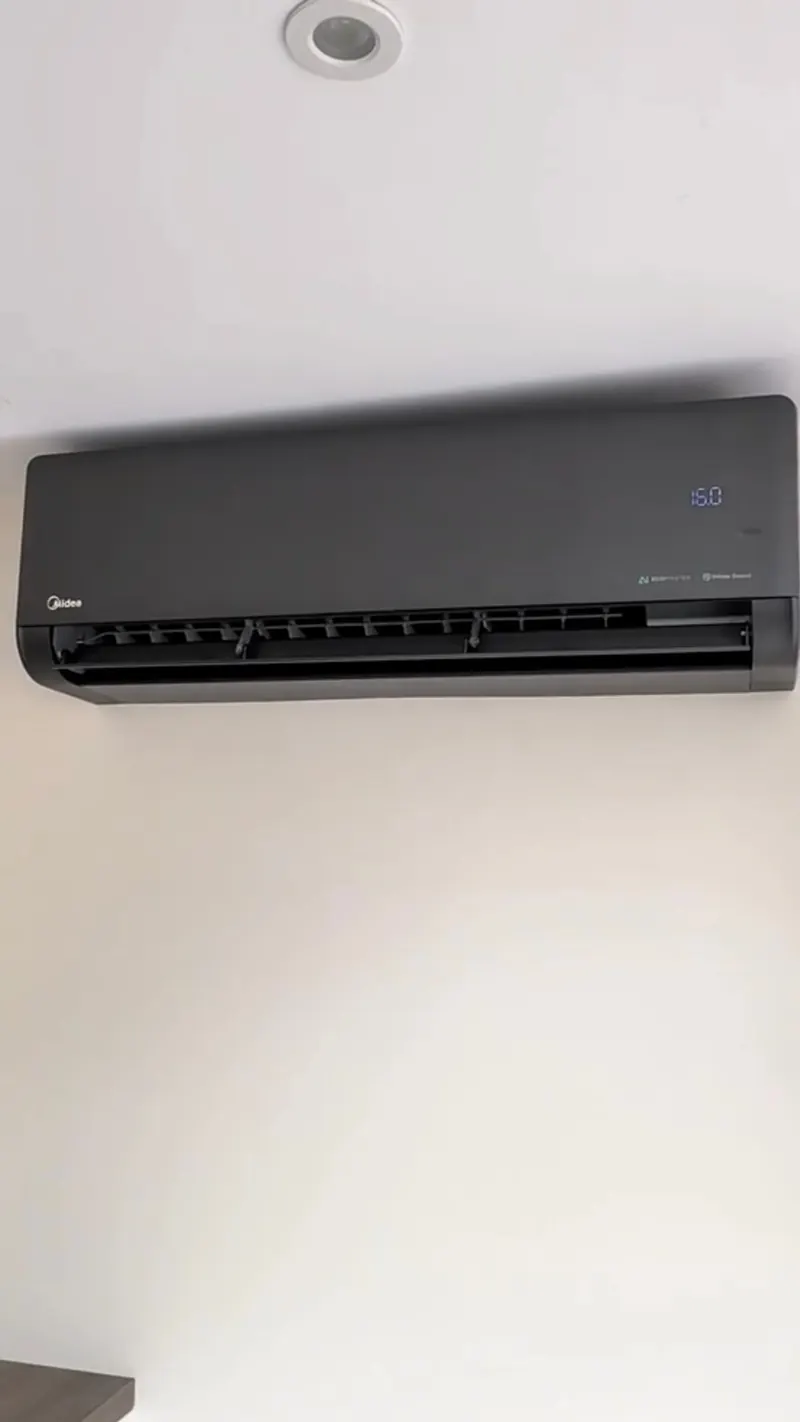 Air conditioning
Black wall unit, running
Quiet enough for a bedroom
Air conditioning
Black wall unit, running
Quiet enough for a bedroom
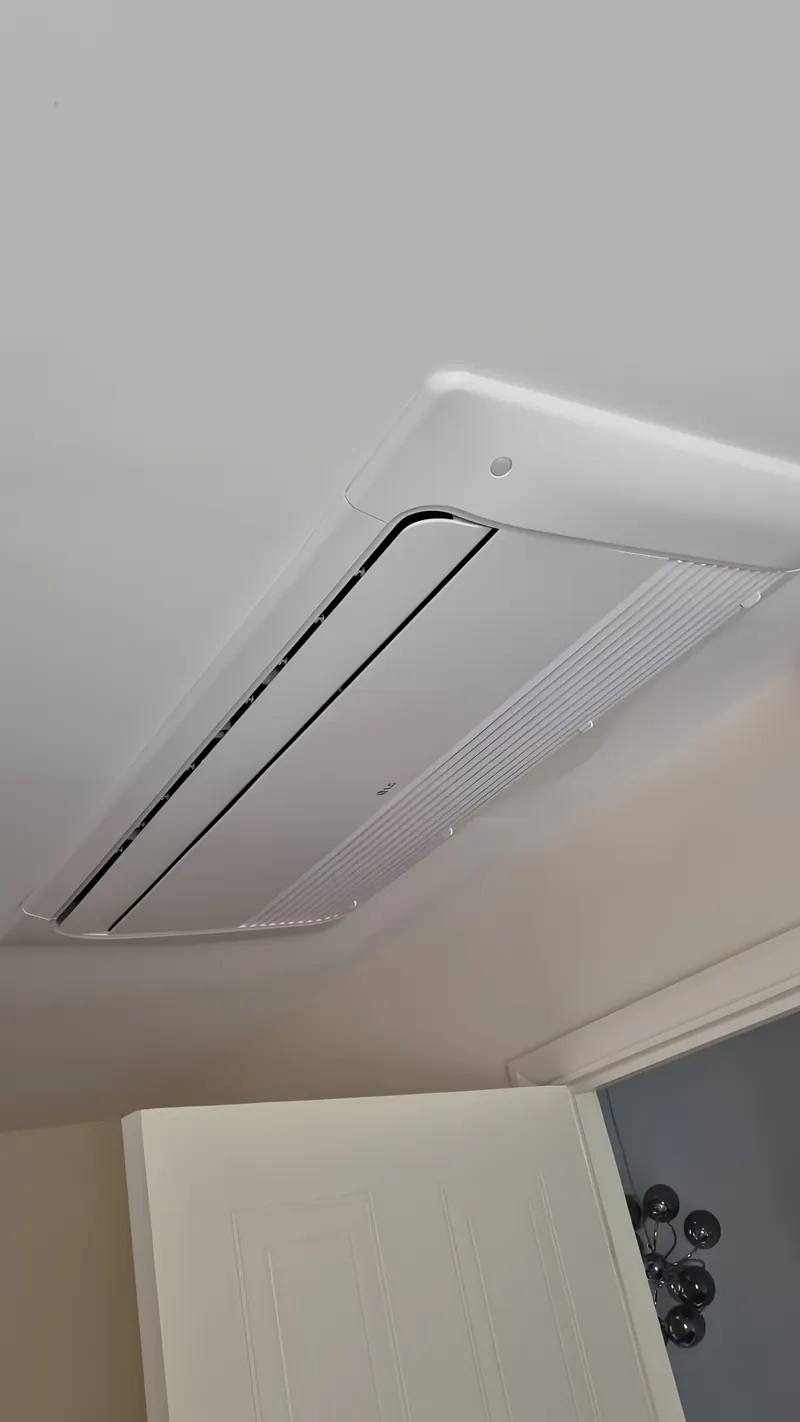 Air conditioning
One-way ceiling cassette
Only the grille shows
Air conditioning
One-way ceiling cassette
Only the grille shows
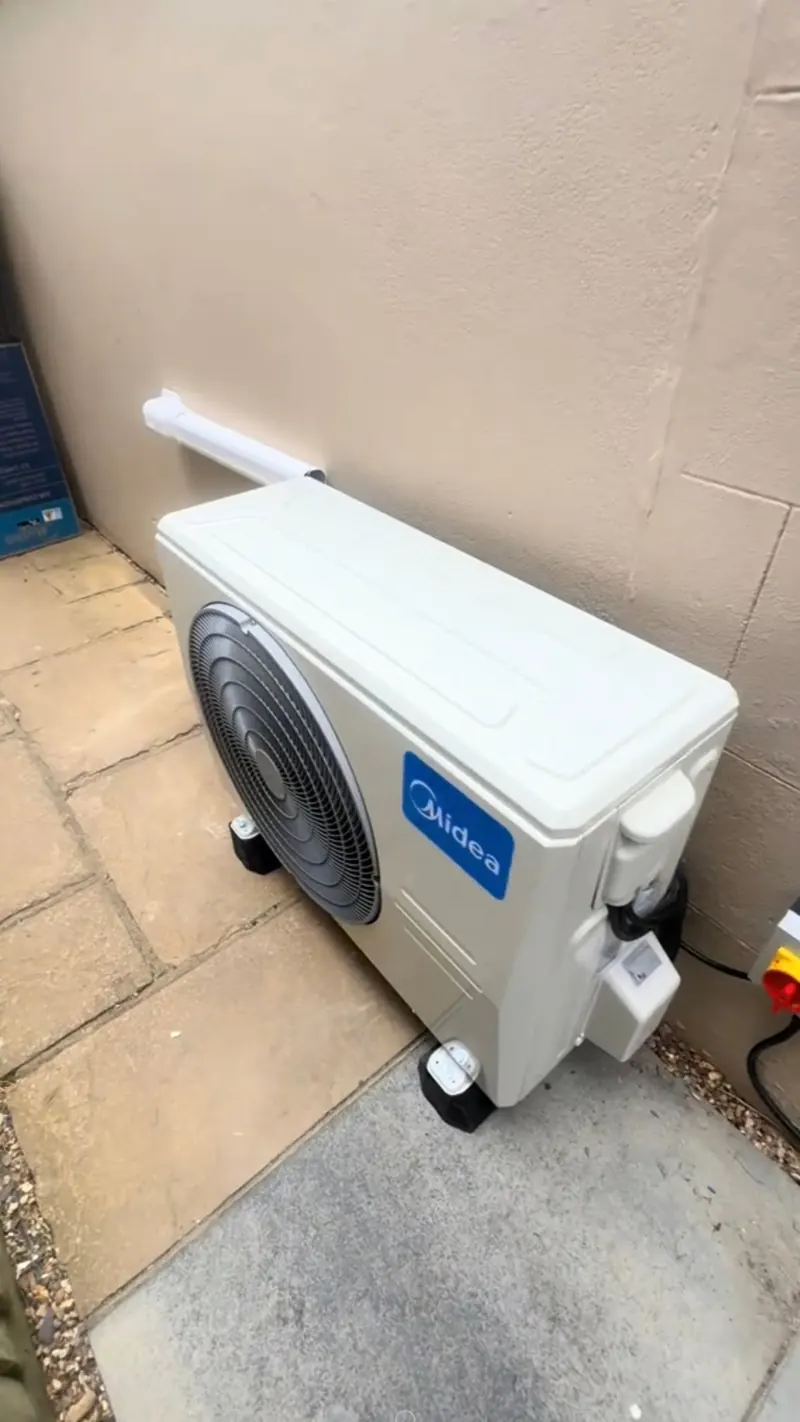 Air conditioning
Outdoor unit on paving
Against render, clear of the boundary
Air conditioning
Outdoor unit on paving
Against render, clear of the boundary
 Air conditioning
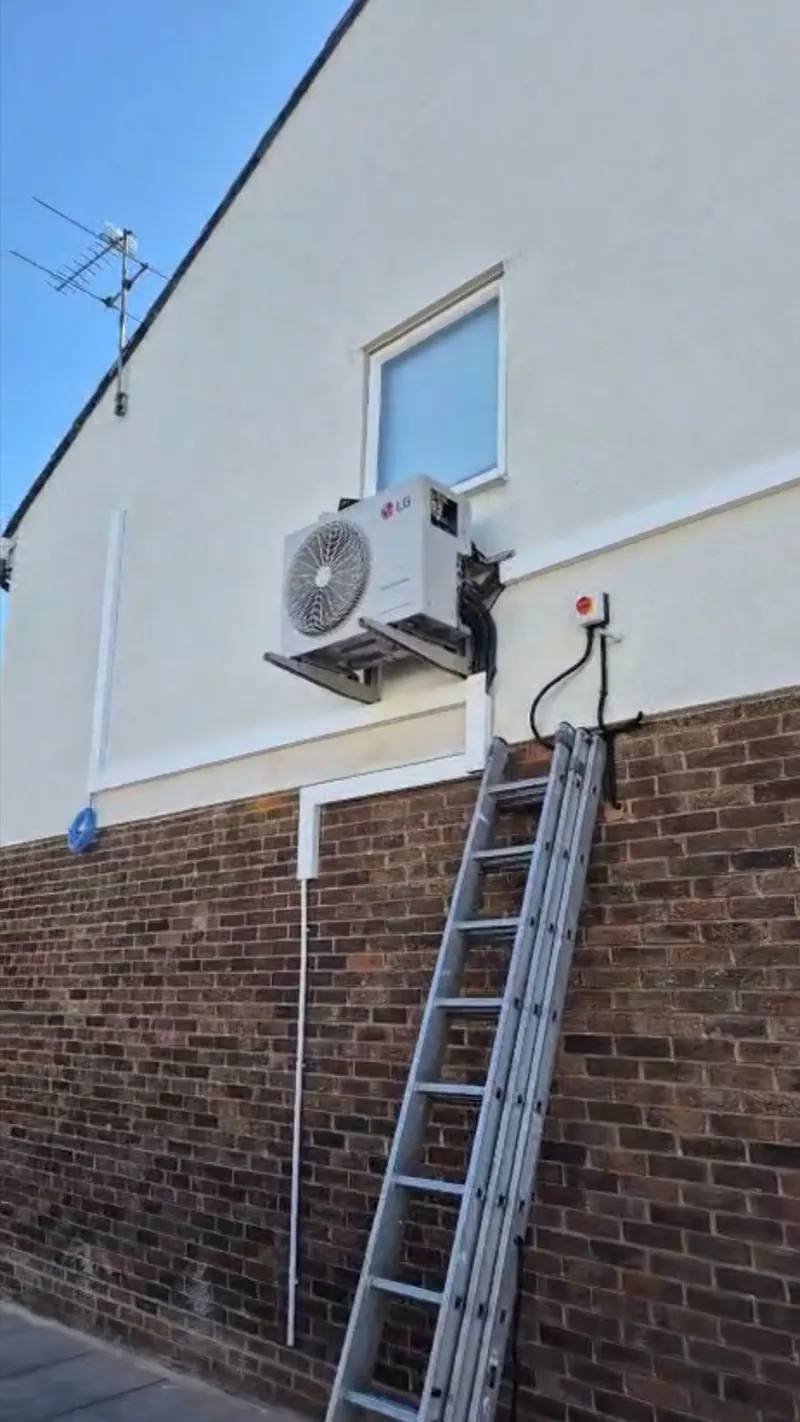
Condenser high on a wall
On brackets where the ground was not an option
Air conditioning
Condenser high on a wall
On brackets where the ground was not an option
A rattle or grind from an air conditioning unit is usually a fan bearing or a loose bracket, at 140 to 340 pounds. A modern outdoor unit runs at 46 to 52 dB(A) at one metre, which is about the level of a domestic fridge.
Match the noise to the list below before you call anyone. Which noise it is narrows the cause to one or two things.
Your estimate
£120to£700
Plus VAT, and the 89 pound diagnosis comes off if we do the work.
Send this on WhatsAppWhat the repair is likely to cost
Diagnosis is 89 pounds plus VAT and it is waived entirely if you go ahead with the repair. What it costs after that depends on what it turns out to be.
Last step: what number should we call with your fixed price?
Every figure on this site is an estimate built from the quotations we issued in 2026 and our own installation experience. It is not a quotation. The price you are given after the free survey is the price you pay.
Fixed in three steps
-
Tell us the symptom
What it is doing, and any error code on the display.
-
Diagnosis on site
£89 plus VAT, and it comes off the repair if you go ahead.
-
Fixed, or an honest no
Most faults are fixed on the day. If a repair is not worth it, we say so.
Read the full guide: 8 sections, about 4 minutes
Before you call, work out which noise it is
Is it constant or intermittent
A constant hum or drone that starts with the unit and stops with it is mechanical: a fan, a bearing or a mounting. A noise that comes and goes on its own is the system cycling, defrosting or moving refrigerant, and several of those are normal.
Is it the indoor unit or the outdoor one
Stand next to each with the system running. It matters, because the two make entirely different noises for entirely different reasons, and a phone call that starts with “the outdoor one” saves a visit.
What each noise means
| What it is | Why it happens | Typical cost |
|---|---|---|
| Rattle or vibration | Loose bracket, loose panel or a mount that has perished | £140 to £340 |
| Grinding or rumbling | Fan motor bearing, outdoor unit most often | £140 to £340 |
| Screech on start-up | Compressor or fan bearing under load | Diagnosis first |
| Bubbling or gurgling | Refrigerant moving, or condensate in the drain. Usually normal | Nothing, unless it is new |
| Hissing | Refrigerant leak, or an expansion valve working. Worth checking | £400 to £700 if a leak |
| Clicking at start and stop | Contactor and relays. Normal | Nothing |
| Loud hum with no fan movement | Failed capacitor. The motor is trying and cannot start | £120 to £280 |
Prices include labour. VAT is extra. If the fault should still be under manufacturer warranty we will tell you and help you claim rather than charging you for it. Every figure on this site is an estimate built from the quotations we issued in 2026 and our own installation experience. It is not a quotation. The price you are given after the free survey is the price you pay.
What a normal outdoor unit actually measures
A current domestic inverter outdoor unit is rated between about 46 and 52 dB(A) at one metre on its lowest fan speed, and a few of the quieter models sit below that. For scale, a fridge is around 40, a normal conversation is around 60, and a road with traffic on it is around 70.
Sound falls away with distance. Every doubling of the distance takes roughly 6 dB off, so a unit measuring 50 dB(A) at one metre arrives at a window four metres away at somewhere around 38, and anything solid in the path takes off more. That is why the position of the unit does more for the noise than the model does.
Most units also have a night or quiet mode that drops the fan and the compressor speed. It costs a little capacity and it is usually the difference between a complaint and no complaint.
When a neighbour complains
This is not really a repair question, it is an evidence question, and it is worth getting right because a statutory nuisance complaint to the council is expensive to answer after the fact and cheap to prevent.
What matters is the sound pressure at their nearest habitable window, not the rating on the box. We measure it, and in most cases the answer is one of three cheap things: put the unit into night mode overnight, replace tired anti-vibration mounts, or move the unit a metre or turn it so the fan does not discharge towards them.
Structure-borne noise is the one people get wrong. In a masonry building a unit bolted hard to a wall transmits a hum through the structure that is far more irritating than the air noise, and no amount of acoustic screening fixes it. Proper mounts do.
The noise that means stop using it
A metallic grinding or screeching from the outdoor unit that gets worse over minutes rather than staying constant. That is a bearing failing, and running it to destruction can take the fan blade or the motor windings with it, which is the difference between a 340 pound repair and a new outdoor unit.
Switch it off at the isolator and book it. It is the one noise where waiting until the weekend genuinely costs money.
What happens when you call us
- You describe the symptom. Half the time that is enough for us to tell you the likely cause and the likely cost before anyone travels.
- We attend and diagnose properly, with instruments rather than by guessing. That is 89 pounds plus VAT.
- You get the cause, the price and an honest answer on whether it is worth repairing, before anything is touched.
- If you go ahead on the same visit, the diagnosis charge comes off.
Other faults
Not cooling
Running but blowing warm air, and the five things that cause it.
Not coolingLeaking water
Water down the wall from the indoor unit. Nearly always the drain.
Leaking waterSmells when it starts
Musty or mildew at switch-on. Growth on the coil, and what a clean costs.
Smells when it startsShowing a code
Verified Daikin and Mitsubishi fault codes, and what each family costs.
Showing a codeRelated
All air conditioning repairs
Every symptom, cause and price in one table, plus when replacing beats repairing.
RepairsAnnual servicing
95 pounds plus VAT. The one thing that prevents most of the faults on this page.
Book a serviceReplacement cost
What a new system costs, for when the repair stops making sense.
See pricesQuestions people ask about this
How loud is an air conditioning unit supposed to be?
A modern domestic outdoor unit is rated at roughly 46 to 52 dB(A) at one metre on low fan, which is about the level of a fridge. Indoor units are quieter, typically 19 to 30 dB(A) on their lowest setting, which is below the background level of most rooms.
Manufacturers publish these figures for every model. If yours is noticeably louder than its own rating, something is wrong with it rather than with the design.
My neighbour says my air conditioning is too loud. What are my rights?
A council can investigate noise as a statutory nuisance, and the test is what actually arrives at the affected property rather than how loud the unit is in isolation. So the useful first step is a measurement at their boundary or window, not an argument.
In practice most of these are solved with night mode, new anti-vibration mounts or a small change of position, all of which are cheap. We would rather do that than have a customer arguing with the people next door for a summer.
Is bubbling or gurgling a problem?
Usually not. Refrigerant changing state as it moves through the circuit makes a soft bubbling, and condensate draining makes a gurgle, and both are normal. A new noise on a system that never made it is worth a look, and a hiss is different from a bubble and is worth a look either way.
Can you make an existing unit quieter?
Often, yes, and rarely by replacing it. Anti-vibration mounts, a properly rigid bracket rather than a flexing one, enabling the manufacturer's quiet mode, and making sure the fan is not discharging into a wall a foot away all help. Acoustic screening helps least and is what most people try first.
Tell us the symptom
Describe what it is doing and we will tell you the likely cause and a realistic price before we come out. Diagnosis is 89 pounds plus VAT and it comes off the repair.
Monday to Friday 9am to 7pm, Saturday 10am to 3pm, Sunday closed
Page updated